Acetyl chloride → HCID 11043388, compound
HRID 1781632
Reaction equation

[OH:1][CH:2]([CH2:5][C:6]1[CH:11]=[CH:10][CH:9]=[CH:8][CH:7]=1)[CH2:3][Br:4].[C:12](Cl)(=[O:14])[CH3:13]>ClCCl>[C:2]([O-:1])(=[O:14])[CH3:5].[C:12]([O:1][CH:2]([CH2:5][C:6]1[CH:11]=[CH:10][CH:9]=[CH:8][CH:7]=1)[CH2:3][Br:4])(=[O:14])[CH3:13]Participants
5
Reactant 2


Product 2
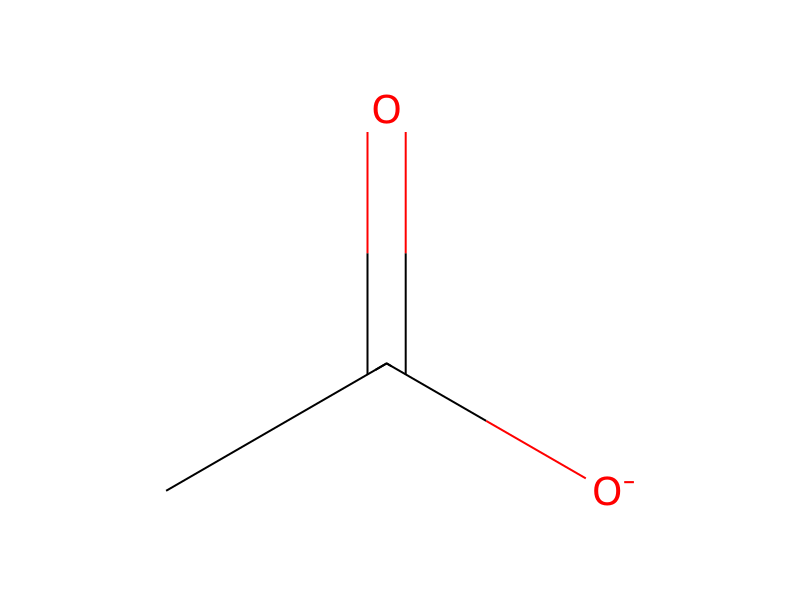

Reagents, catalysts & solvents 1

Procedure
8 g (37.2 mmol) of 2-hydroxy-3-phenyl-propyl bromide are dissolved at room temperature in 80 ml of dichloromethane; with stirring, 2.64 ml (37.2 mmol) of acetyl chloride and after 3 hours a further 2.64 ml (37.2 mmol) of acetyl chloride are added dropwise thereto; the mixture is stirred for 4 hours at 60° and for 16 hours at room temperature and washed with 25 ml each of water and saturated sodium chloride solution. The aqueous phases are combined and washed with 30 ml of dichloromethane. The combined organic phases are dried over sodium sulfate and concentrated by evaporation. Chromatography on silica gel with hexanelethyl acetate (19:1) as eluant yields 8.03 g (83% of theory) of 2-acetoxy-3-phenyl-propyl bromide in the form of a colourless liquid.