HomeMCPSkillsWorkbenchOpenChem
HomeWorkbenchNotificationsMe
llms.txt · skill.md · MCP GuidePrivacy Policy · Terms of Service · Supportv1.8.4
  1. Home
  2. /Reaction

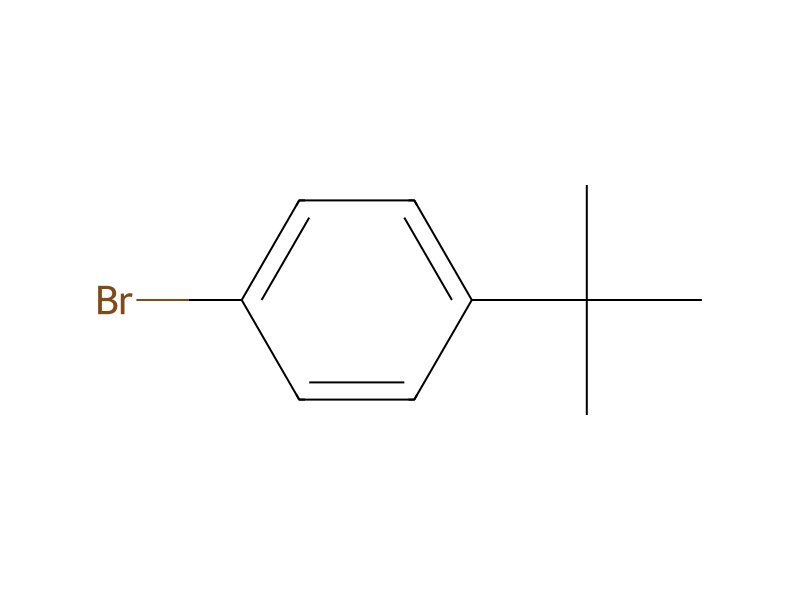
1-Bromo-4-tert-butylbenzene → N-(4-tert-butylphenyl)-2,3-dihydro-1,4-benzodioxin-6-amine

HRID 1783291
Print

Reaction equation

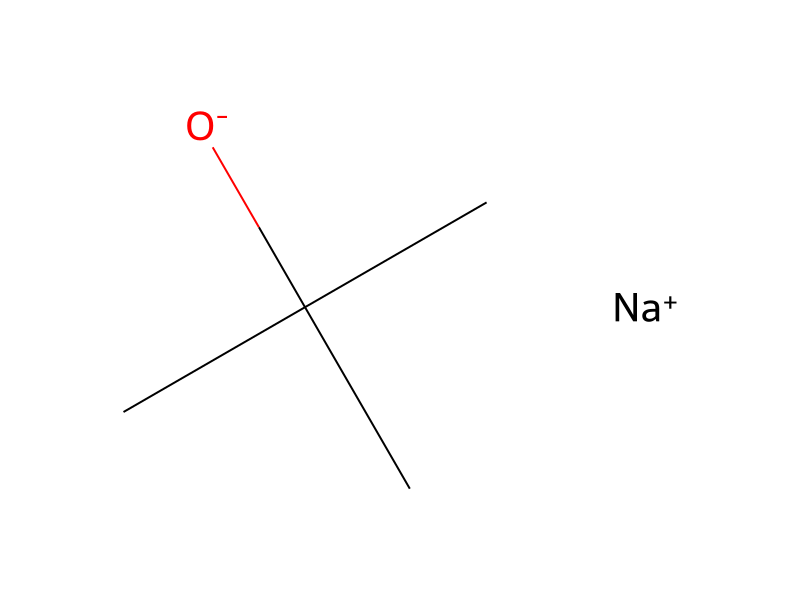
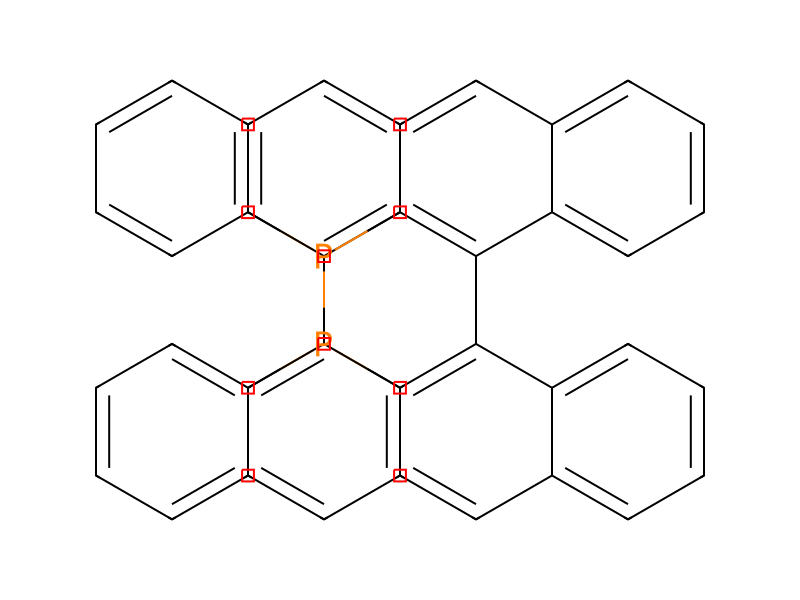
[O:1]1[C:6]2[CH:7]=[CH:8][C:9]([NH2:11])=[CH:10][C:5]=2[O:4][CH:3]=[CH:2]1.[C:12]([C:16]1[CH:21]=[CH:20][C:19](Br)=[CH:18][CH:17]=1)([CH3:15])([CH3:14])[CH3:13].CC(C)([O-])C.[Na+]>C1C=CC(/C=C/C(/C=C/C2C=CC=CC=2)=O)=CC=1.C1C=CC(/C=C/C(/C=C/C2C=CC=CC=2)=O)=CC=1.C1C=CC(/C=C/C(/C=C/C2C=CC=CC=2)=O)=CC=1.[Pd].[Pd].C1(P(C2C=CC=CC=2)C2C=CC3C(=CC=CC=3)C=2C2C3C(=CC=CC=3)C=CC=2P(C2C=CC=CC=2)C2C=CC=CC=2)C=CC=CC=1.C1(C)C=CC=CC=1>[C:12]([C:16]1[CH:21]=[CH:20][C:19]([NH:11][C:9]2[CH:8]=[CH:7][C:6]3[O:1][CH2:2][CH2:3][O:4][C:5]=3[CH:10]=2)=[CH:18][CH:17]=1)([CH3:15])([CH3:14])[CH3:13]
ParticipantsProcedureWorkupSources & evidenceReaction notes

Participants

7

Reactant 3

HCID 775951-Bromo-4-tert-butylbenzeneHCID 15610193HCID 15610193, compoundHCID 23676156Sodium t-butoxide

Product 1

HCID 57589730N-(4-tert-butylphenyl)-2,3-dihydro-1,4-benzodioxin-6-amineYield 55%

Reagents, catalysts & solvents 3

HCID 634876Binap, (A+-)-Catalyst
HCID 9811564Bis(dibenzylideneacetone)palladiumCatalyst
HCID 1140TolueneSolvent

Procedure

To a flask equipped with a magnetic stirrer, reflux condenser, and nitrogen inlet was added 1,4-benzodioxin-6-amine (5.26 grams, 34.8 mmoles), 4-tert-butyl bromobenzene (6.83 grams, 32.1 mmoles), tris(dibenzylideneacetone)dipalladium (0) (0.58 grams, 0.6 mmoles), rac-2,2′-bis(diphenylphosphino)-1,1′-binapthyl (0.79 grams, 1.2 mmoles), sodium tert-butoxide (6.08 grams, 63.0 mmoles) and anhydrous toluene (70 mL). The contents of the flask were refluxed for three days; cooled to room temperature; and filtered through a pad of silica gel. The silica gel pad was then eluted with dichloromethane (300 mL). The combined organic layers were concentrated in vacuo to yield a dark solid. The solid was chromatographed on silica gel, eluting with a hexane/ethyl acetate gradient to afford 5 grams of the desired product as a white solid. 1H NMR (CDCl3) δ 7.25 (d, 2H), 6.9 (d, 2H), 6.75 (d, 1H), 6.5-6.7 (m, 2H), 5.4 (bs, 1H), 4.2 (s, 4H), 1.3 (s, 9H).

Workup

  1. customTo a flask equipped with a magnetic stirrer
  2. temperaturereflux condenser, and nitrogen inlet
  3. temperatureThe contents of the flask were refluxed for three days
  4. filtrationand filtered through a pad of silica gel
  5. washThe silica gel pad was then eluted with dichloromethane (300 mL)
  6. concentrationThe combined organic layers were concentrated in vacuo
  7. customto yield a dark solid
  8. customThe solid was chromatographed on silica gel
  9. washeluting with a hexane/ethyl acetate gradient

Sources & evidence

ORD record
ord-ab04477b1174495d94878c314fd9ebe5
Source dataset
uspto-grants-2009_03
DOI
10.6084/m9.figshare.5104873.v1
Patent number
US07501386B2

Reaction notes

On this pageParticipantsProcedureWorkupSources & evidenceReaction notes