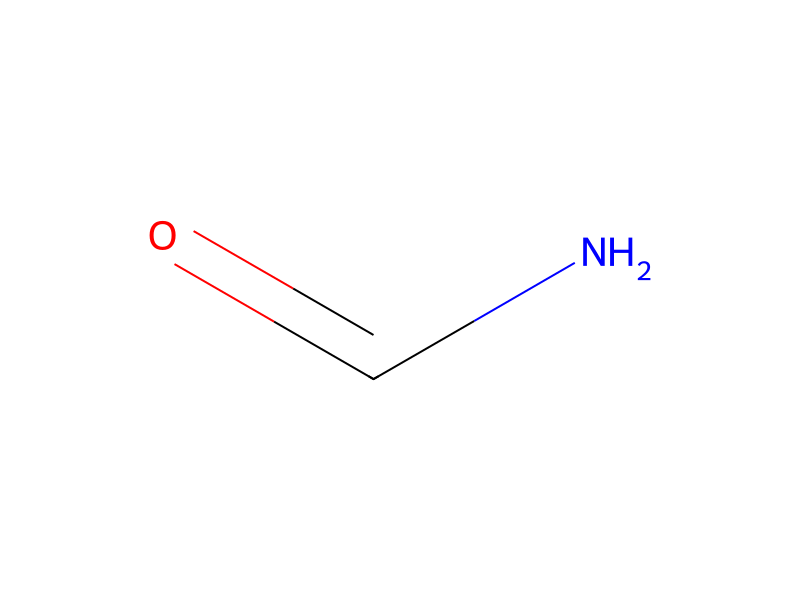
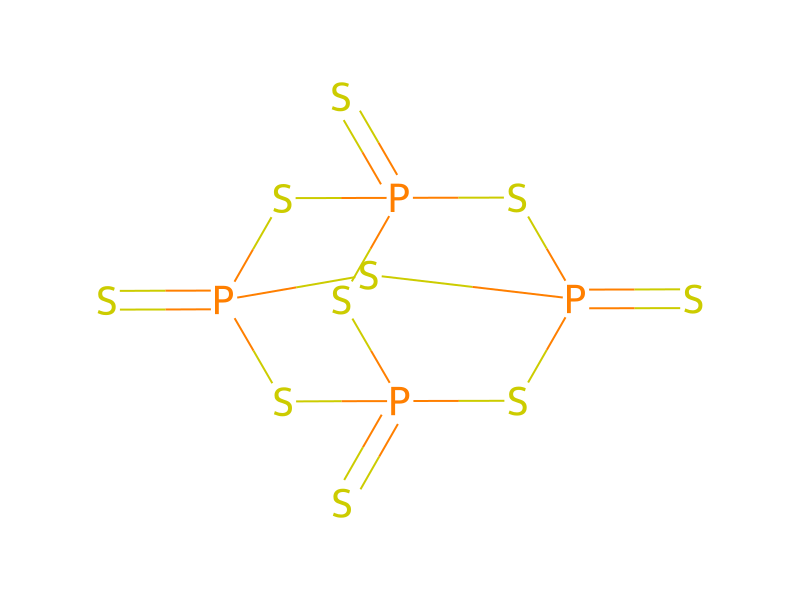
An oven-dried flask under argon was charged with P2S5 (0.53 g, 1.2 mmol), anhydrous dioxane (5 mL), and formamide (0.53 mL, 13.3 mmol). The reaction flask was fitted with a reflux condenser and a drying tube and refluxed for 2.25 hours. A separate oven-dried flask under argon was charged with 2-bromo-1-(4-bromo-3,5-dimethoxyphenyl)ethanone (0.313 g, 0.93 mmol) and anhydrous dioxane (6 mL). The thioformamide mixture (above) was decanted into the reaction flask leaving solids behind. The reaction flask was fitted with a reflux condenser, put under a drying tube and refluxed for 3 hours then cooled to room temp. After stirring overnight, the mixture was made basic with the addition of an aqueous solution of 2 M Na2CO3, diluted with H2O then extracted with EtOAc three times. The combined organics were washed with brine, dried over Na2SO4 and concentrated. The crude solid was dissolved in CH2Cl2 and adsorbed onto silica gel. Purification by chromatography (0-35% EtOAc-hexanes) gave 4-(4-bromo-3,5-dimethoxyphenyl)thiazole as a white solid (0.20 g, 73% yield).