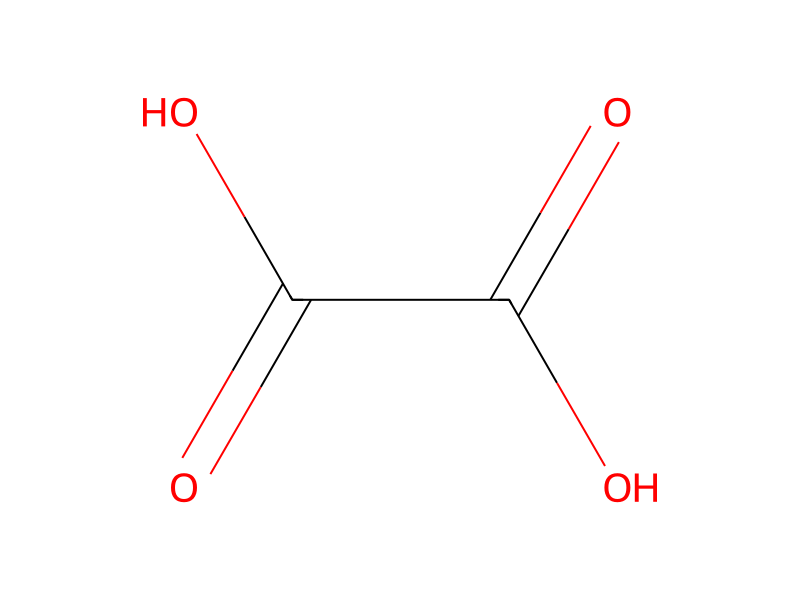
[C:1]([O:4][C@H:5]1[CH2:22][CH2:21][C@@:20]2([CH3:23])[C:7](=[CH:8][CH2:9][C@@H:10]3[C@@H:19]2[CH2:18][CH2:17][C@@:15]2([CH3:16])[C@H:11]3[CH2:12][CH2:13][C@@H:14]2[O:24][C:25](=[O:27])[CH3:26])[CH2:6]1)(=[O:3])[CH3:2].C(OC(=O)C)(=[O:30])C.[Cr]([O-])(OC(C)(C)C)(=O)=O.C(O)(=O)C(O)=O>C(O)(=O)C.C(Cl)(Cl)(Cl)Cl>[C:1]([O:4][C@H:5]1[CH2:22][CH2:21][C@@:20]2([CH3:23])[C:7](=[CH:8][C:9](=[O:30])[C@@H:10]3[C@@H:19]2[CH2:18][CH2:17][C@@:15]2([CH3:16])[C@H:11]3[CH2:12][CH2:13][C@@H:14]2[O:24][C:25](=[O:27])[CH3:26])[CH2:6]1)(=[O:3])[CH3:2]A solution of 5-androstene-3β,17β-diol diacetate (5 g, 13.35 mmol) in a mixture of dry carbon tetrachloride (30 Ml), acetic anhydride (4.5 Ml) and glacial acetic acid (1.25 Ml) was treated while stirring with t-butyl chromate solution (35 Ml). The brown reaction mixture was brought to reflux temperature and further stirred for 12 h. The mixture was then cooled in an ice bath and treated in small portions with 10% oxalic acid solution (75 Ml). After adding a further quantity of solid oxalic acid (5.5 g), the reaction mixture was stirred for 2 h at room temperature. The organic phase was removed and the aqueous phase was extracted with carbon tetrachloride (4×50 Ml). The combined carbon tetrachloride extract was successively washed with 5% sodium carbonate solution (2×25 Ml), water and dried. Removal of solvent under reduced pressure gave a pale yellow solid, which was crystallized from methanol to afford the product 7-oxo-5-androstene-3β,17β-diol diacetate (3.2 g, 61.66%), mp 220-221° C. (lit 216-219° C.) [Singh. H., et al Indian J. Chem. 1969, 7, 1084-1087].