Reaction equation

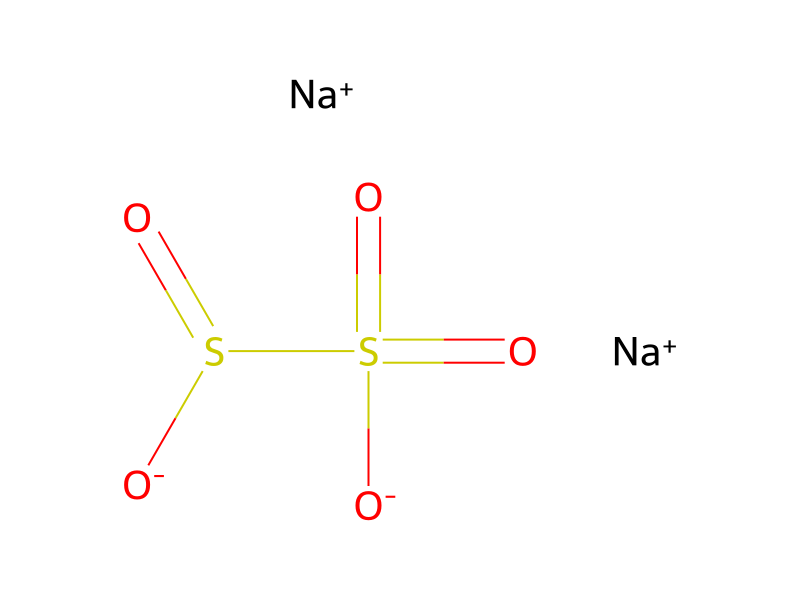
[F:1][C:2]1[CH:7]=[CH:6][C:5]([C:8]2[CH:13]=[CH:12][C:11]([C:14](=[O:16])C)=[CH:10][CH:9]=2)=[CH:4][CH:3]=1.[O:17](Br)[Na].C(O)(=O)C.C1(C2C=CC=CC=2)C=CC=CC=1.S(S([O-])=O)([O-])(=O)=O.[Na+].[Na+]>O1CCOCC1.O>[F:1][C:2]1[CH:3]=[CH:4][C:5]([C:8]2[CH:9]=[CH:10][C:11]([C:14]([OH:16])=[O:17])=[CH:12][CH:13]=2)=[CH:6][CH:7]=1Participants





Conditions
- Temperature
- 50 °C
Procedure
NaOH (7 g) was dissolved in water (25 mL) and cooled in an ice bath. Bromine (7.8 g) was added dropwise to give a solution of NaOBr. 1-(4′-Fluoro-biphenyl-4-yl)-ethanone (0.01 mol) was dissolved in dioxane (35 mL) and warmed to 50° C. in a water bath. The NaOBr solution was added slowly to the stirred solution of the biphenyl acetate and stirring continued at 50° C. for a further 20 minutes. The solution was allowed to cool and a solution of sodium metabisulphite (8 g in 40 mL water) was added followed by water (170 mL). 50 mL of the liquid was evaporated under reduced pressure with heating. The remainder was acidified with HCl (5 mL) and a white precipitate formed upon cooling. The precipitate was filtered and recrystallised from acetic acid to give the title compound. δC (CDCl3, 62.9 MHz): 115.9, 126.8, 129.2, 129.6, 129.8 (d, J 2.9), 135.5 (d, J 2.9), 143.2, 162.4 (d, J 245.1) and 167.2.
Workup
- temperatureto cool
- custom50 mL of the liquid was evaporated under reduced pressure
- temperaturewith heating
- customa white precipitate formed
- temperatureupon cooling
- filtrationThe precipitate was filtered
- customrecrystallised from acetic acid
Sources & evidence
- ORD record
- ord-77c2e4ce4b68472d8f9e6655e4baedc1
- Source dataset
- uspto-grants-2009_10
- Patent number
- US07598289B2
Linked notes
Loading…