Phthalic Anhydride → N-Methylphthalimide
Reaction equation

O([C:8]1[CH:9]=[C:10]2[C:15](=[O:16])[N:14]([CH3:17])[C:12](=[O:13])[C:11]2=[CH:18][CH:19]=1)C1C=CC=CC=1.C1(=O)OC(=O)C2=CC=CC=C12>>[CH3:17][N:14]1[C:12](=[O:13])[C:11]2=[CH:18][CH:19]=[CH:8][CH:9]=[C:10]2[C:15]1=[O:16]Participants
3
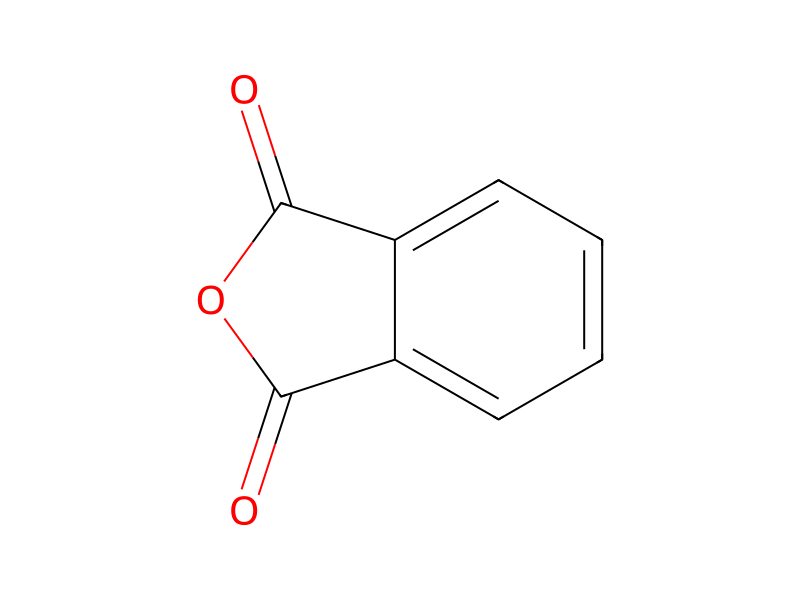


Procedure
The above results show that an exchange occurred between 4-phenoxy-N-methylphthalimide and phthalic anhydride, resulting in a 46% yield of N-methylphthalimide and a 64% yield of 4-phenoxyphthalic anhydride or acid. This conversion of 4-phenoxy-N-methylphthalimide to 4-phenoxyphthalic anhydride was achieved in a direct manner without any requirement for converting the 4-phenoxy-N-methylphthalimide to the corresponding hydrazide or the base hydrolysis thereof, resulting in the production of metal salt requiring the neutralization and heating of the resulting phthalic acid.
Workup
- customThe above results