Cetyl Alcohol → 2-Propenoic acid, hexadecyl ester
HRID 1857343
Reaction equation

[CH2:1]([OH:17])[CH2:2][CH2:3][CH2:4][CH2:5][CH2:6][CH2:7][CH2:8][CH2:9][CH2:10][CH2:11][CH2:12][CH2:13][CH2:14][CH2:15][CH3:16].[C:18](Cl)(=[O:21])[CH:19]=[CH2:20]>C1C=CC=CC=1>[CH2:1]([O:17][C:18](=[O:21])[CH:19]=[CH2:20])[CH2:2][CH2:3][CH2:4][CH2:5][CH2:6][CH2:7][CH2:8][CH2:9][CH2:10][CH2:11][CH2:12][CH2:13][CH2:14][CH2:15][CH3:16]Participants
4
Reactant 2

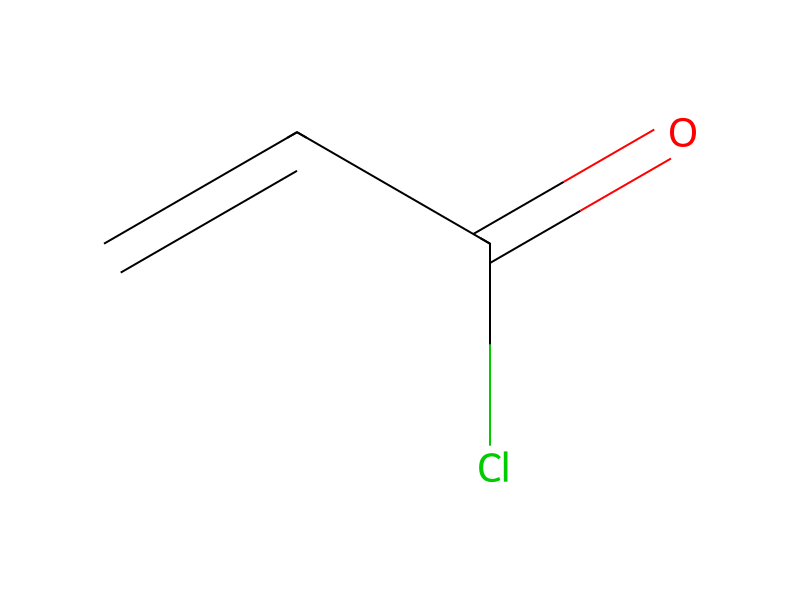
Product 1

Reagents, catalysts & solvents 1

Conditions
- Temperature
- 80 °C
Procedure
Hexadecanylacrylate was prepared by dissolving 10 g of hexadecanol in 50 ml of benzene. A 1.2 molar excess of acryloylchloride was added to the mixture and refluxed at 80° C. for 24 hours with stirring. The reaction mixture was allowed to cool to room temperature and the solvent was removed by roto-evaporation and room temperature water bath. The product was redissolved and 100 ml of diethyl ether and extracted five times with an equal volume of 10% NaHCO3 in a separatory funnel. The ether fraction was isolated and the solvent was removed by roto-evaporation at room temperature followed by vacuum drying in a room temperature oven. Hexadecanylacrylate is represented by the formula (XI): ##STR13##