Reaction equation

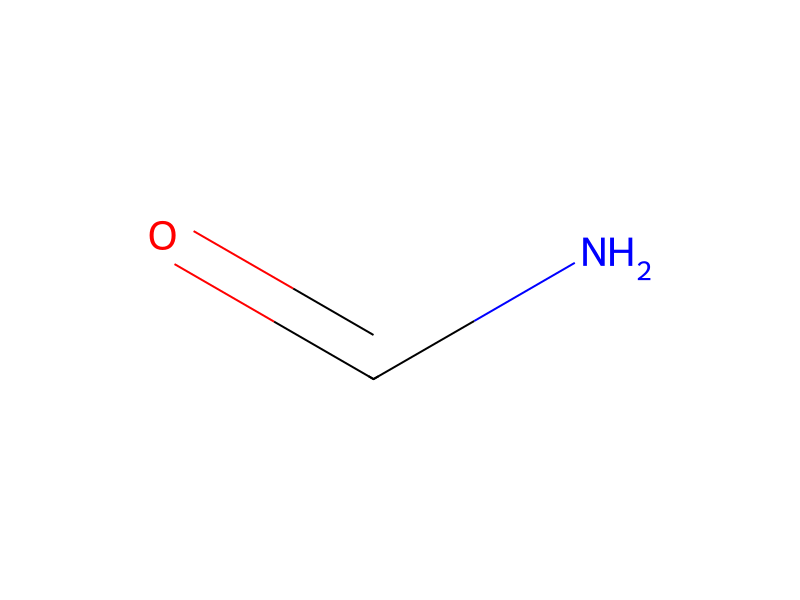
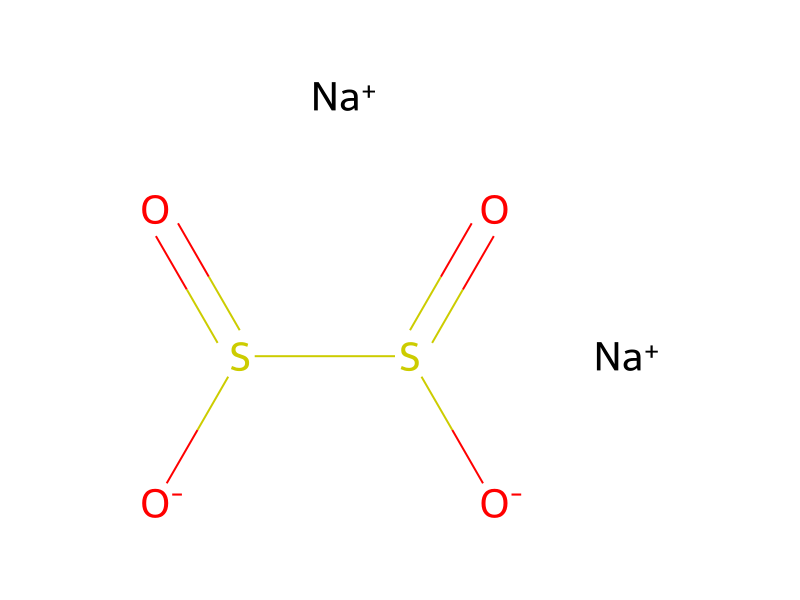
[CH:1]1([CH2:4][N:5]2[C:12]([NH2:13])=[CH:11][C:9](=[O:10])[N:8]([CH2:14][CH:15]3[CH2:17][CH2:16]3)[C:6]2=[O:7])[CH2:3][CH2:2]1.N([O-])=O.[Na+].C(O)=O.S(S([O-])=O)([O-])=O.[Na+].[Na+].[CH:33]([NH2:35])=O>>[CH:15]1([CH2:14][N:8]2[C:9](=[O:10])[C:11]3[NH:35][CH:33]=[N:13][C:12]=3[N:5]([CH2:4][CH:1]3[CH2:3][CH2:2]3)[C:6]2=[O:7])[CH2:17][CH2:16]1Participants
6




Conditions
- Temperature
- 100 °C
Procedure
1,3-Di-cyclopropylmethyl xanthine was prepared using an analogous procedure to that described in Chem. Berichte 88, 1306-1312, 1955: 20.2 g (0.0855 mol) of 1,3-di-cyclopropylmethyl-6-amino-uracil was dissolved in 100 ml of formamide, then 5.9 g sodium nitrite was added and at 60° C. 13.4 ml formic acid was added slowly with stirring. After the colour had changed from yellow to violet, the mixture was heated up to 100° C. and 3.1 g of sodium dithionite (Na2S2O4) was added in small portions.
Sources & evidence
- ORD record
- ord-59b89dff20d94e4787708adca486d9c2
- Source dataset
- uspto-grants-2003_03
- Patent number
- US06531600B1
Linked notes
Loading…