Ammonia → HCID 20393022, compound
Reaction equation

Cl[C:2]1[N:10]=[C:9]([CH3:11])[CH:8]=[C:7]([CH3:12])[C:3]=1[C:4]([OH:6])=O.[C:13]1([NH2:20])[CH:18]=[CH:17][CH:16]=[CH:15][C:14]=1[NH2:19].CCCCOCCO.N>>[CH3:11][C:9]1[CH:8]=[C:7]([CH3:12])[C:3]2[C:4](=[O:6])[NH:20][C:13]3[CH:18]=[CH:17][CH:16]=[CH:15][C:14]=3[NH:19][C:2]=2[N:10]=1Participants
5

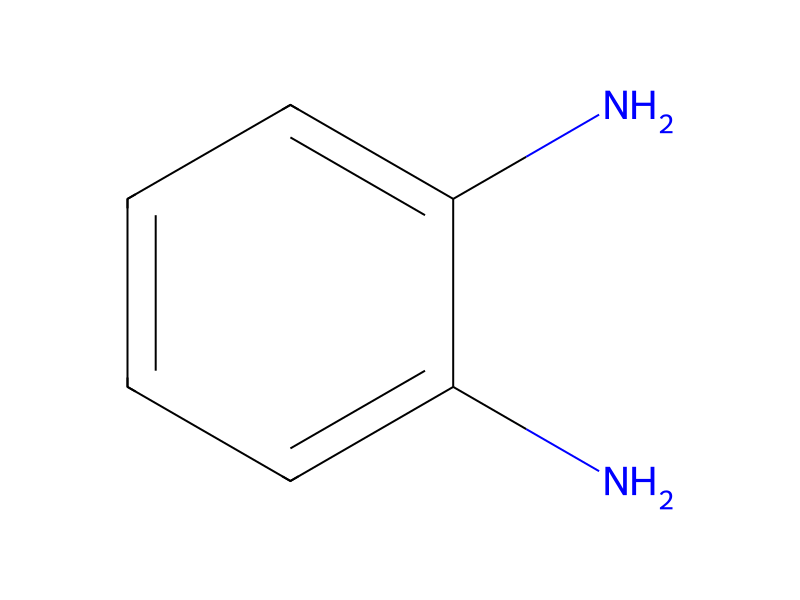


Conditions
- Temperature
- 170 °C
Procedure
A mixture consisting of 9.3 gm of 2-chloro-4,6-dimethyl-nicotinic acid, 5.41 gm of o-phenylenediamine and 25 ml of butyl glycol was heated at 170° C. for 90 minutes while stirring. The mixture was subsequently cooled to 60° C. and poured over ice. After adjusting it to a pH-value of 8 with ammonia, the mixture was suction-filtered, and the filter cake was washed with water and recrystallized from aqueous 70% acetic acid, yielding 53% of theory of the compound named in the heading, which had a melting point of 297°-299° C.