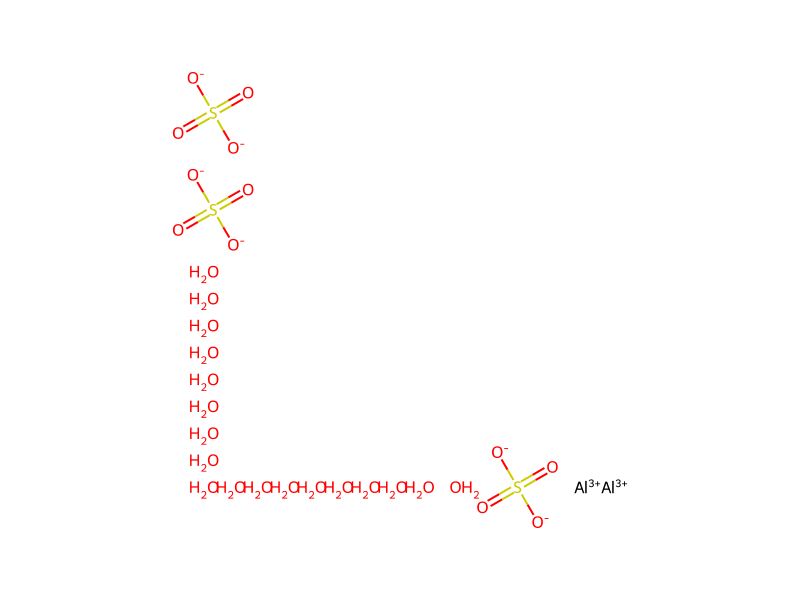
Under an atmosphere of argon, 312.5 g (2.5 mol) of 32% strength aqueous sodium hydroxide and 156 ml of water are added at 25° C., without interruption and with stirring, to 330.3 g (2.5 mol) of n-butyl ethylmethylphosphinate. The n-butanol/water mixture is distilled off azeotropically at 140° C. (boiling range: from 93 to 96° C.), the reflux ratio being adjusted so that after 2 h 15 min only pure water distils over. The resultant yellowish solution of sodium methylphosphinate is mixed with a further 936 ml of water. 277.7 g (0.42 mol) of aluminum sulfate octadecahydrate in 270 ml of water are added dropwise at 23° C. within a period of 2 hours, with stirring, and the product precipitates immediately. The resultant solution is filtered, and the residue is washed a number of times with water. Drying under reduced pressure at 150° C. gives 278.6 g of aluminum ethylmethylphosphinate (96% of theory) as a white powder (m.p. >380° C.).