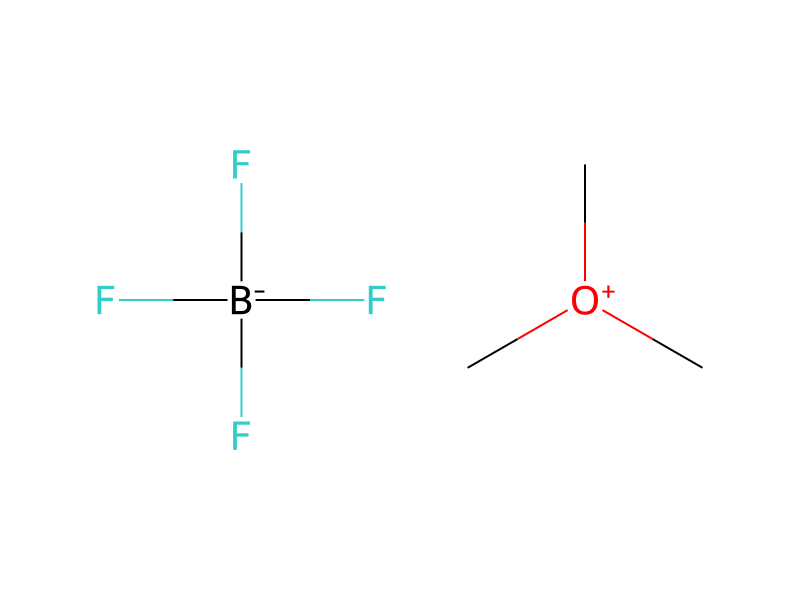
A solution of 4-[(2,3-dichlorophenyl)carbonyl]-2-piperazinone (I3) (200 mg, 0.732 mmol) in dry Dichloromethane (DCM) (3329 μl) was stirred at room temperature under an atmosphere of argon. Trimethyloxonium tetrafluoroborate (137 mg, 0.879 mmol) was added and the resulting mixture was stirred at room temperature for 15 hours (overnight). 1,3-Thiazole-2-carbohydrazide (I51) (157 mg, 1.098 mmol) was added and the resulting mixture was stirred for 90 minutes. After this time, 1-butanol (3329 μl) was added and the mixture was heated to reflux for 2 hour. The DCM was removed under reduced pressure and the resulting solution (containing BuOH) was refluxed for 1 hour. The solution was then allowed to cool to room temperature and stirred for a further 15 hours. The solution was diluted with DCM (approx. 50 ml) and washed sequentially by NaHCO3 sat. aqueous solution (approx. 20 ml) and water (approx. 20 ml), dried over MgSO4, filtered and concentrated under reduced pressure to give a pale yellow coloured solid. The solid was triturated with Et2O and hexane before being chromatographed [SiO2, MeOH in DCM 0-10%] to give a white coloured solid in 133 mg of desired material.