Ethanol → (5R,6R)-3-[E-2-acetamidoethenylthio]-6-[(R)-1-aminoethyl]-7-oxo-1-azabicyclo[3.2.0]hept-2-ene-2-carboxylic acid
HRID 1903705
Reaction equation

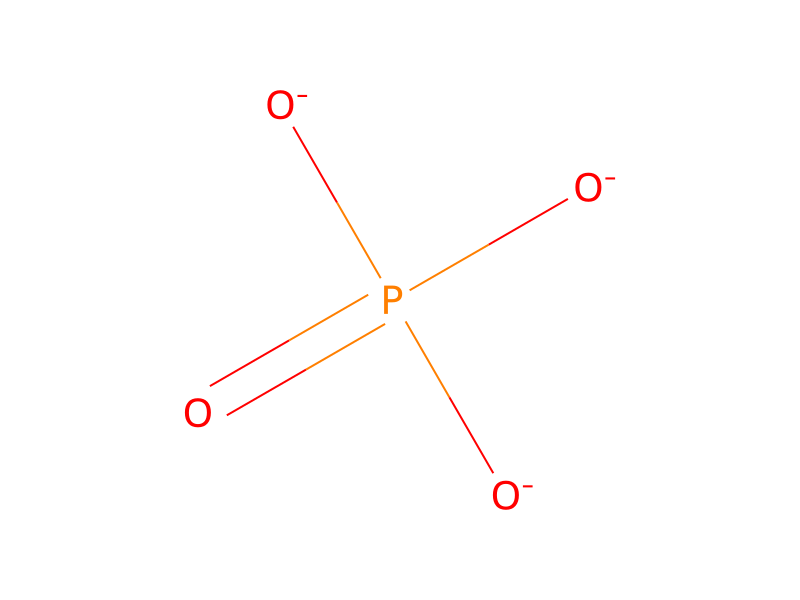
[C:1]([NH:4]/[CH:5]=[CH:6]/[S:7][C:8]1[CH2:14][C@H:13]2[N:10]([C:11](=[O:20])[C@@H:12]2[C@H:15]([N:17]=[N+]=[N-])[CH3:16])[C:9]=1[C:21]([O:23]CC1C=CC([N+]([O-])=O)=CC=1)=[O:22])(=[O:3])[CH3:2].O.C(O)C.P([O-])([O-])([O-])=O>O1CCOCC1.[Pd]>[C:1]([NH:4]/[CH:5]=[CH:6]/[S:7][C:8]1[CH2:14][C@H:13]2[N:10]([C:11](=[O:20])[C@@H:12]2[C@H:15]([NH2:17])[CH3:16])[C:9]=1[C:21]([OH:23])=[O:22])(=[O:3])[CH3:2]Participants
7