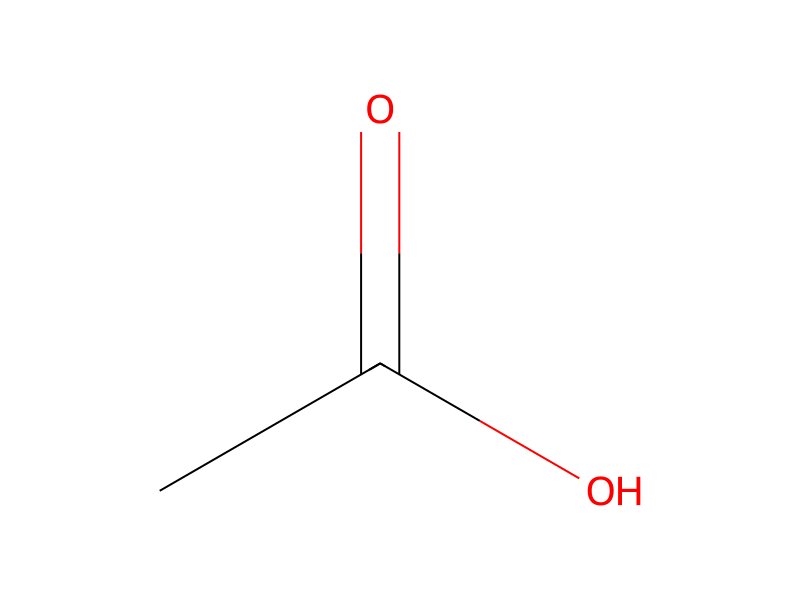
Water → 2-Amino-6-({[2-(4-chlorophenyl)-1,3-oxazol-4-yl]methyl}sulfanyl)-4-(4-{[(2S)-2,3-dihydroxypropyl]oxy}phenyl)pyridine-3,5-dicarbonitrile
HRID 1913494
Reaction equation

[NH2:1][C:2]1[C:7]([C:8]#[N:9])=[C:6]([C:10]2[CH:15]=[CH:14][C:13]([O:16][CH2:17][C@@H:18]3[CH2:22][O:21]C(C)(C)[O:19]3)=[CH:12][CH:11]=2)[C:5]([C:25]#[N:26])=[C:4]([S:27][CH2:28][C:29]2[N:30]=[C:31]([C:34]3[CH:39]=[CH:38][C:37]([Cl:40])=[CH:36][CH:35]=3)[O:32][CH:33]=2)[N:3]=1.O>C(O)(=O)C>[NH2:1][C:2]1[C:7]([C:8]#[N:9])=[C:6]([C:10]2[CH:11]=[CH:12][C:13]([O:16][CH2:17][C@@H:18]([OH:19])[CH2:22][OH:21])=[CH:14][CH:15]=2)[C:5]([C:25]#[N:26])=[C:4]([S:27][CH2:28][C:29]2[N:30]=[C:31]([C:34]3[CH:35]=[CH:36][C:37]([Cl:40])=[CH:38][CH:39]=3)[O:32][CH:33]=2)[N:3]=1Participants
4