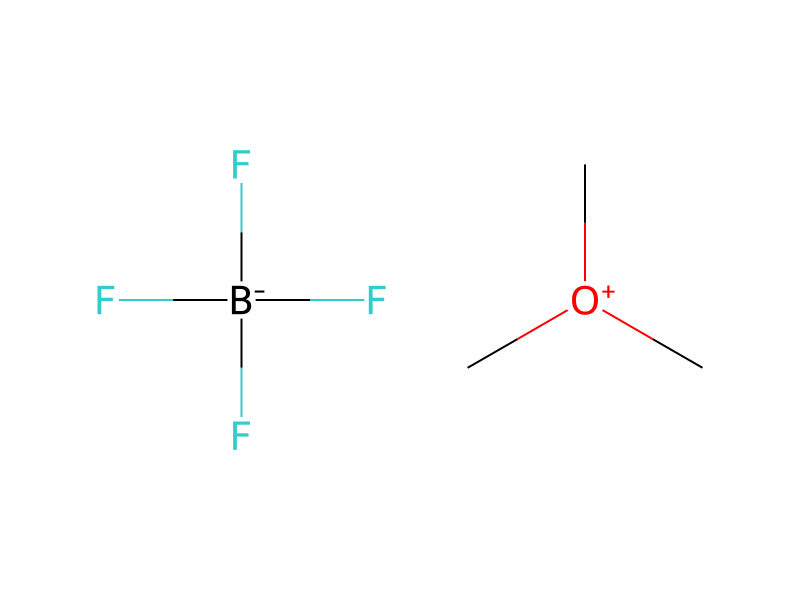
In a vacuum dried flask under an argon atmosphere, a solution of (RS)-5-(3-bromo-phenyl)-5-(4-difluoromethoxy-3-methyl-phenyl)-morpholin-3-one (2.5 g, 1 eq) in dichloromethane (80 ml) was treated with trimethyloxonium tetrafluoroborate (2.7 g, 3 eq). The reaction mixture was stirred at room temperature overnight. The incomplete reaction was then washed with a saturated solution of sodium hydrogen carbonate (50 ml). The organic layer was dried over sodium sulfate and evaporated. The crude was dissolved in methanol (15 ml) and the solution transferred under an nitrogen atmosphere into a dried pressure tube. After the addition of ammonium chloride (0.182 g, 3.4 mmol) the sealed pressure tube was heated at 100° C. for 16 hours. After cooling, the reaction mixture was filtered and evaporated to dryness, taken up with dichloromethane (30 ml) and filtered again. The solvent was removed and the residue was passed through a SCX (50 g) cartridge, washing with a mixture of dichloromethane and methanol. The product was recovered eluting with a solution of ammonia (2M) in methanol. 1.45 g of the (RS)-5-(3-bromo-phenyl)-5-(4-difluoromethoxy-3-methyl-phenyl)-5,6-dihydro-2H-[1,4]oxazin-3-ylamine were obtained as a white solid (58% of theory). MS (ISP): m/z=412.9 [M+H]+.