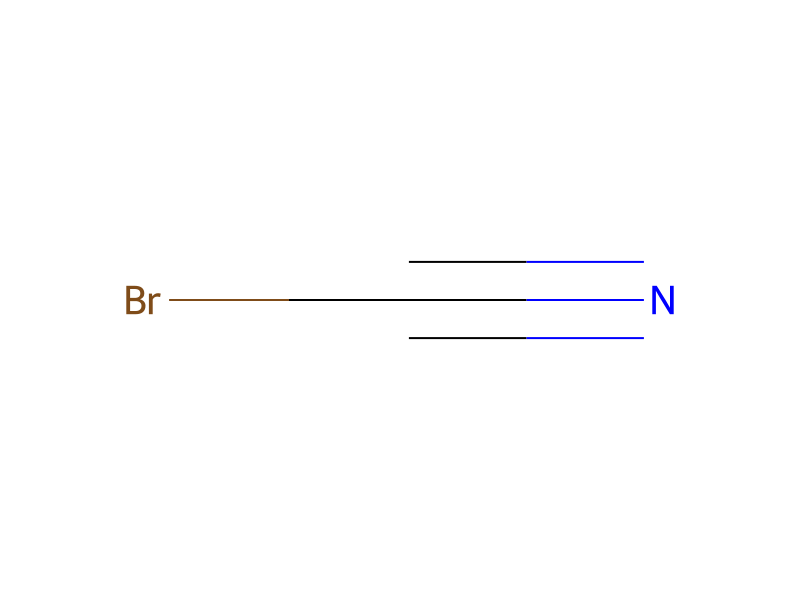
Cyanogen Bromide → [3-(2-Amino-3-propyl-3,4-dihydro-quinazolin-6-yloxy)-phenyl]-carbamic acid benzyl ester
HRID 1968811
Reaction equation

[CH2:1]([O:8][C:9](=[O:30])[NH:10][C:11]1[CH:16]=[CH:15][CH:14]=[C:13]([O:17][C:18]2[CH:23]=[CH:22][C:21]([NH2:24])=[C:20]([CH2:25][NH:26][CH2:27][CH2:28][CH3:29])[CH:19]=2)[CH:12]=1)[C:2]1[CH:7]=[CH:6][CH:5]=[CH:4][CH:3]=1.[N:31]#[C:32]Br>C(O)C>[CH2:1]([O:8][C:9](=[O:30])[NH:10][C:11]1[CH:16]=[CH:15][CH:14]=[C:13]([O:17][C:18]2[CH:19]=[C:20]3[C:21](=[CH:22][CH:23]=2)[N:24]=[C:32]([NH2:31])[N:26]([CH2:27][CH2:28][CH3:29])[CH2:25]3)[CH:12]=1)[C:2]1[CH:7]=[CH:6][CH:5]=[CH:4][CH:3]=1Participants
4



Procedure
A mixture of [3-(4-Amino-3-propylaminomethyl-phenoxy)-phenyl]-carbamic acid benzyl ester (0.032 mol) and cyanogen bromide (0.035 mol) in ethanol (250 mL) was stirred and refluxed for 2 hours, then the reaction mixture was cooled to room temperature and the solvent was evaporated. The residue was converted into its free base with a NaOH solution and the resulting mixture was extracted with CH2Cl2. The organic layer was separated and the solvent was evaporated, then the residue was stirred in diisopropyl ether, filtered off and dried under vacuum to yield the title compound as a solid.