Ammonia → N,N-dimethyl-2-tert-butylsulfamoyl-4-carbamoylbenzamide
HRID 1976529
Reaction equation

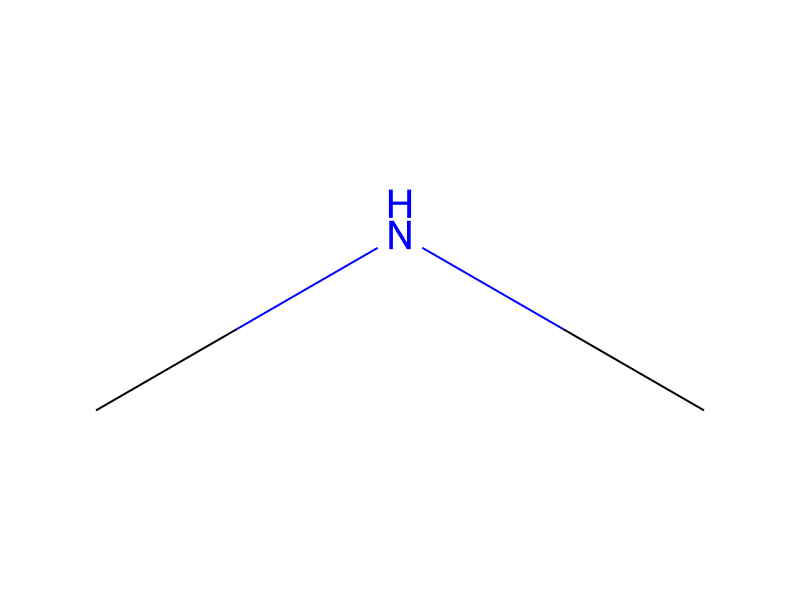
N.[C:2]([NH:6][S:7]([C:10]1[CH:19]=[C:18]([C:20](=[O:22])[NH2:21])[CH:17]=[CH:16][C:11]=1[C:12]([O:14]C)=O)(=[O:9])=[O:8])([CH3:5])([CH3:4])[CH3:3].[CH3:23][NH:24][CH3:25]>CO>[CH3:23][N:24]([CH3:25])[C:12](=[O:14])[C:11]1[CH:16]=[CH:17][C:18]([C:20](=[O:22])[NH2:21])=[CH:19][C:10]=1[S:7](=[O:8])(=[O:9])[NH:6][C:2]([CH3:3])([CH3:4])[CH3:5]Participants
5
Reactant 3


Product 1

Reagents, catalysts & solvents 1

Procedure
Similarly to Examples A5 to A6, and using ammonia as basic reagent in Example A5, methyl 2-tert-butylsulfamoyl-4-carbamoylbenzoate was prepared first. At room temperature, 3.0 g (0.01 mol) of this compound were subsequently added to a solution of 45 g (1.0 mol) of dimethylamine in 60 ml of methanol, and the reaction mixture was left standing at room temperature for 7 h. The mixture was concentrated and the desired product was isolated by silica gel column chromatography (mobile phase: ethyl acetate; Rf≈0.2). This gave 1.0 g (31% of theory) of N,N-dimethyl-2-tert-butylsulfamoyl-4-carbamoylbenzamide of a glass-like consistency.