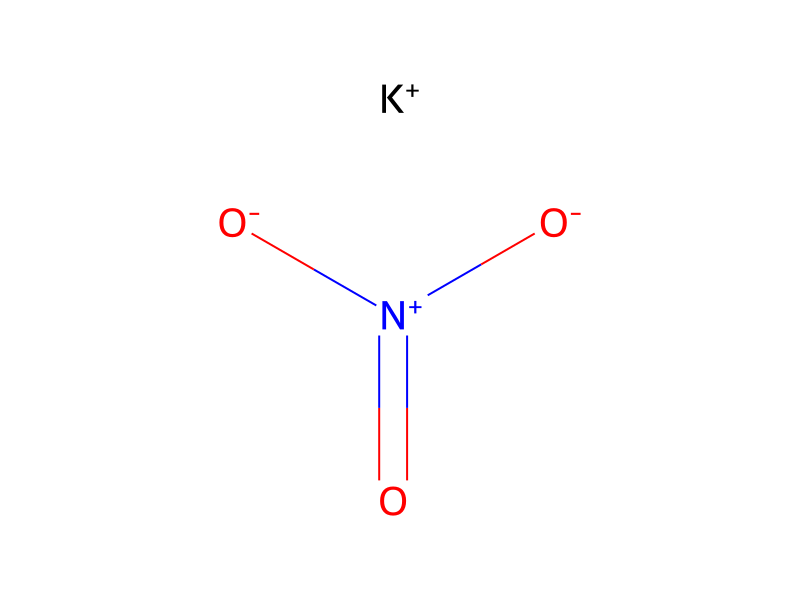
[Cl:1][C:2]1[CH:7]=[CH:6][N:5]=[C:4]([N:8]2[CH2:13][CH2:12][N:11]([C:14](=[O:19])[C:15]([CH3:18])([CH3:17])[CH3:16])[CH2:10][CH2:9]2)[CH:3]=1.[N+:20]([O-])([O-:22])=[O:21].[K+].[OH-].[Na+]>S(=O)(=O)(O)O.O>[Cl:1][C:2]1[C:7]([N+:20]([O-:22])=[O:21])=[CH:6][N:5]=[C:4]([N:8]2[CH2:13][CH2:12][N:11]([C:14](=[O:19])[C:15]([CH3:16])([CH3:18])[CH3:17])[CH2:10][CH2:9]2)[CH:3]=1Dissolve 1-[4-(4-chloro-pyridin-2-yl)-piperazin-1-yl]-2,2-dimethyl-propan-1-one (1.6 mmol, 0.4 g) in sulfuric acid (2.3 mL) and cool the solution down to 0° C. Add potassium nitrate (1.6 mmol, 0.2 g) and stir the mixture allowing to reach room temperature overnight. Dilute the mixture with water and add sodium hydroxide 10% until basic pH. Extract in ethyl acetate. Dry over sodium sulfate, filter, and concentrate under reduced pressure to give a residue of 1-[4-(4-chloro-5-nitro-pyridin-2-yl)-piperazin-1-yl]-2,2-dimethyl-propan-1-one. Subject residue to silica gel chromatography eluting with a mixture hexanes/ethyl acetate as (from 30% up to 60%). MS(ES): m/z=327 [M+H].
Loading…