HomeMCPWorkbenchSkills
HomeWorkbenchNotificationsMe
llms.txt · MCP GuidePrivacy Policy · Terms of Service · Supportv1.8.3
  1. Home
  2. /Reaction

Benzoyl Peroxide → Di-tert-butyl 3-bromo-trans-1-propenylphosphonate

HRID 2051961
Print

Reaction equation

HRID 2051961 reaction equation
[CH:1](/[P:4](=[O:15])([O:10][C:11]([CH3:14])([CH3:13])[CH3:12])[O:5][C:6]([CH3:9])([CH3:8])[CH3:7])=[CH:2]\[CH3:3].[O-2].[Al+3].[O-2].[O-2].[Al+3].[Br:21]N1C(=O)CCC1=O.C(OOC(=O)C1C=CC=CC=1)(=O)C1C=CC=CC=1>C(Cl)(Cl)(Cl)Cl>[Br:21][CH2:3]/[CH:2]=[CH:1]/[P:4](=[O:15])([O:5][C:6]([CH3:7])([CH3:8])[CH3:9])[O:10][C:11]([CH3:14])([CH3:13])[CH3:12]
ParticipantsProcedureWorkupSources & evidenceReaction notes

Participants

6

Reactant 4

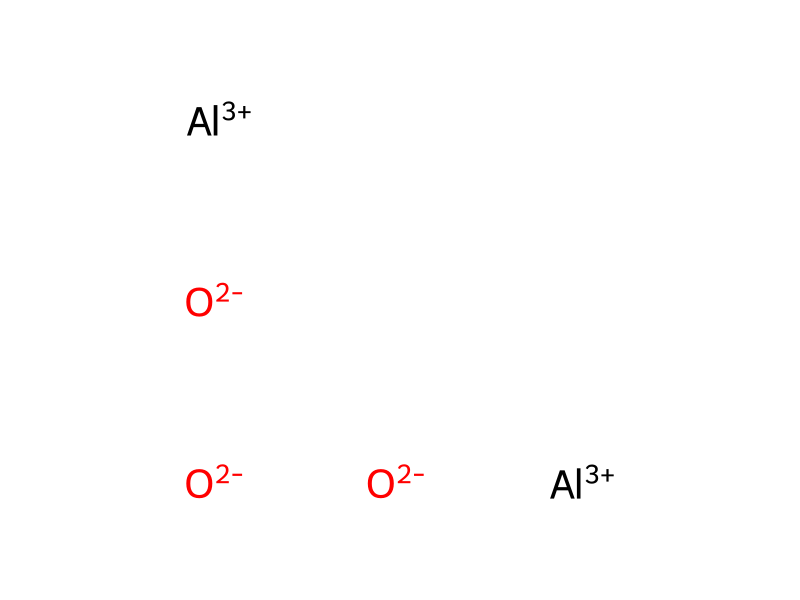
HCID 7187Benzoyl PeroxideHCID 67184N-bromobutanimideHCID 9989226AluminaHCID 12985179Fosfomycin Impurity 61

Product 1

HCID 9995699Di-tert-butyl 3-bromo-trans-1-propenylphosphonateYield 107.2%

Reagents, catalysts & solvents 1

HCID 5943
Carbon Tetrachloride
Solvent

Procedure

(1)-2 To a solution of di-tert.-butyl trans-1-propenylphosphonate (12.0 g.) in carbon tetrachloride (120 ml.) were added basic aluminum oxide (24.0 g.), N-bromosuccinimide (10.95 g.) and then dibenzoylperoxide (1.4 g.) The mixture was heated to reflux for an hour and then stirred for 30 minutes under ice-cooling. The resultant mixture was filtered and the filtrate was evaporated to dryness under reduced pressure to give oily di-tert.-butyl 3-bromo-trans-1-propenylphosphonate (17.2 g.).

Workup

  1. temperatureto reflux for an hour
  2. temperaturecooling
  3. filtrationThe resultant mixture was filtered
  4. customthe filtrate was evaporated to dryness under reduced pressure

Sources & evidence

ORD record
ord-13afb9e9c35d42309a879b383f046efd
Source dataset
uspto-grants-1980_01
DOI
10.6084/m9.figshare.5104873.v1
Patent number
US04182758

Reaction notes

On this pageParticipantsProcedureWorkupSources & evidenceReaction notes