Reaction equation

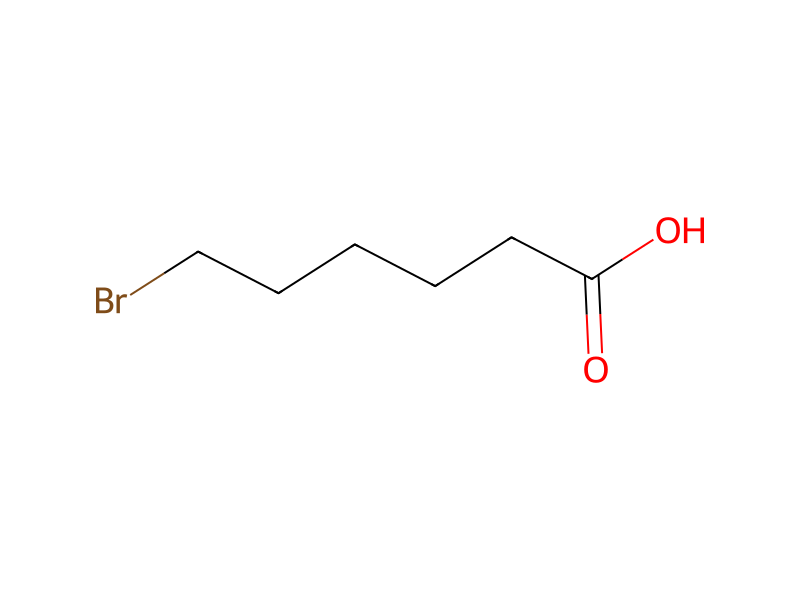
[CH3:1][O:2][C:3]1[CH:4]=[C:5]2[C:9](=[CH:10][CH:11]=1)[N:8]=[C:7]([CH3:12])[C:6]2([CH3:14])[CH3:13].[Br:15][CH2:16][CH2:17][CH2:18][CH2:19][CH2:20][C:21]([OH:23])=[O:22].ClC1C=CC=CC=1Cl>C(OCC)C>[Br-:15].[C:21]([CH2:20][CH2:19][CH2:18][CH2:17][CH2:16][N+:8]1[C:9]2[C:5](=[CH:4][C:3]([O:2][CH3:1])=[CH:11][CH:10]=2)[C:6]([CH3:14])([CH3:13])[C:7]=1[CH3:12])([OH:23])=[O:22]Participants
5




Conditions
- Temperature
- 100 °C
Procedure
To 5-methoxy-2,3,3-trimethyl-3H-indole (1.9 g) was added 6-bromohexanoic acid (3 g) and 1,2-dichlorobenzene (10 ml). The mixture was heated to 100° C. for 3 hours and then allowed to cool to room temperature. Diethyl ether was added and the precipitated material removed by filtration. Drying in a vacuum oven gave the product (3.12 g).
Workup
- temperatureto cool to room temperature
- customthe precipitated material removed by filtration
- customDrying in a vacuum oven
Sources & evidence
- ORD record
- ord-3854d7164f204f69a8ecac9545dc67fe
- Source dataset
- uspto-grants-2009_08
- Patent number
- US07579140B2
Linked notes
Loading…