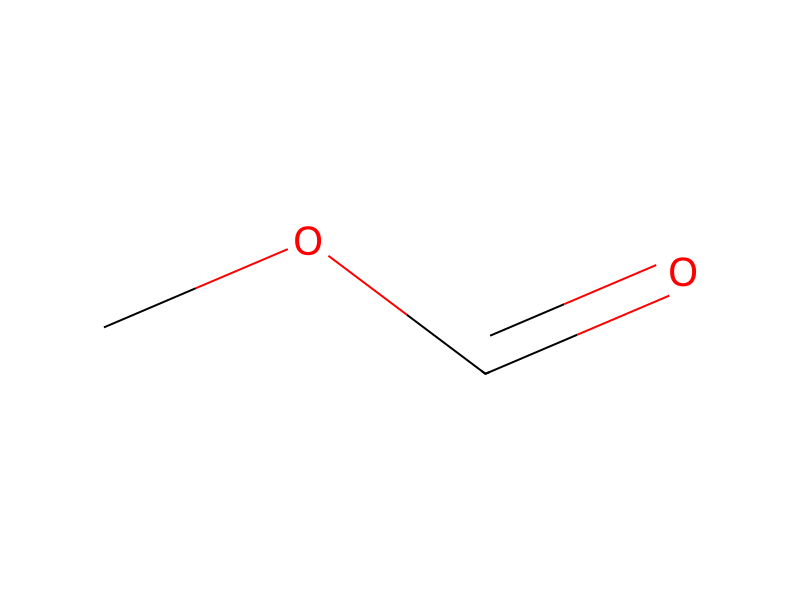
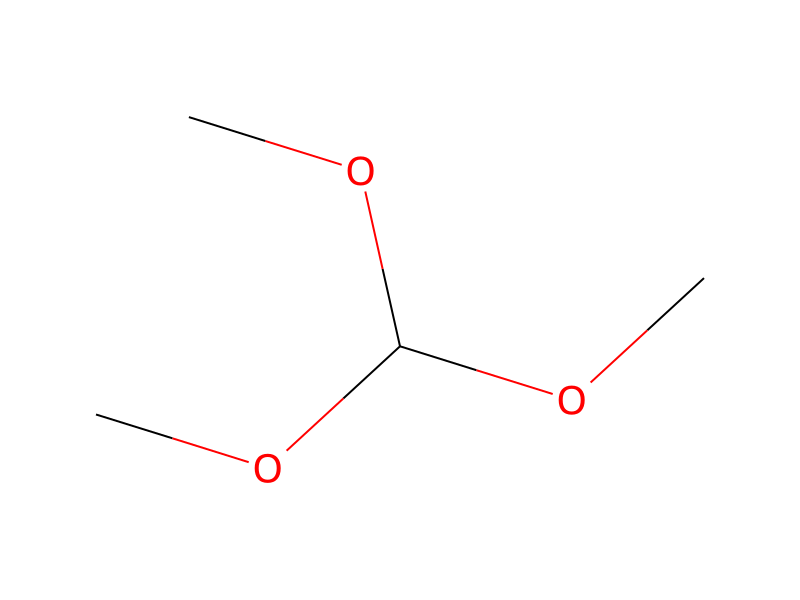
OS(O)(=O)=O.[CH:6]([O:11][CH3:12])([O:9]C)OC.[Cl:13][C:14]1[CH:30]=[CH:29][C:17]([C:18]([C:20]2C(=O)[O:22][C:23]([CH3:27])=[CH:24][C:25]=2[OH:26])=O)=[CH:16][CH:15]=1.C(OC)=O>CO>[CH3:12][O:11][C:6]([C:20]1[C:25](=[O:26])[CH:24]=[C:23]([CH3:27])[O:22][C:18]=1[C:17]1[CH:16]=[CH:15][C:14]([Cl:13])=[CH:30][CH:29]=1)=[O:9]A 5000 ml 3-neck flask is fitted with a N2 inlet, magnetic stirring bar, thermometer and a Dean-Stark trap with condenser. 2300 mls of dry methanol is added to the flask along with 244 gms of 96% H2SO4 and 352 gms of trimethyl orthoformate. 173 gms of 3-(4'-chlorobenzoyl)-4-hydroxy-6-methyl-2-pyrone is added and the reaction mixture is gently brought to reflux. The most volatile by-product of the reaction (methyl formate) is condensed and collected in the Dean-Stark trap. After 281/2 hours of reflux the reaction mixture is cooled to room temperature and poured into 6000 mls of brine. The resulting suspension is extracted with methylene chloride (6×250 mls). Evaporation of the solvent yields 153 gms of 3-methoxycarbonyl-6-methyl-2-(4'-chlorophenyl)-4-pyrone. mp (methylene chloride/ether)=131-2.
Loading…