Reaction equation

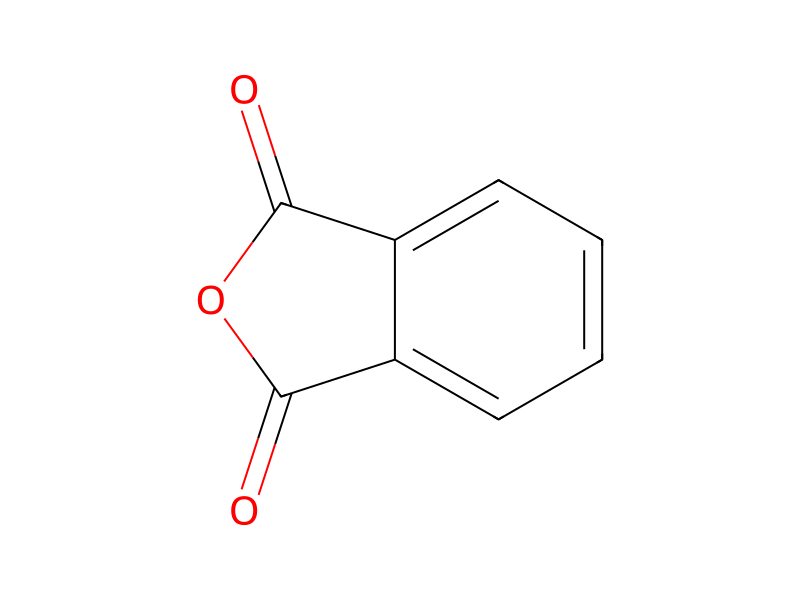
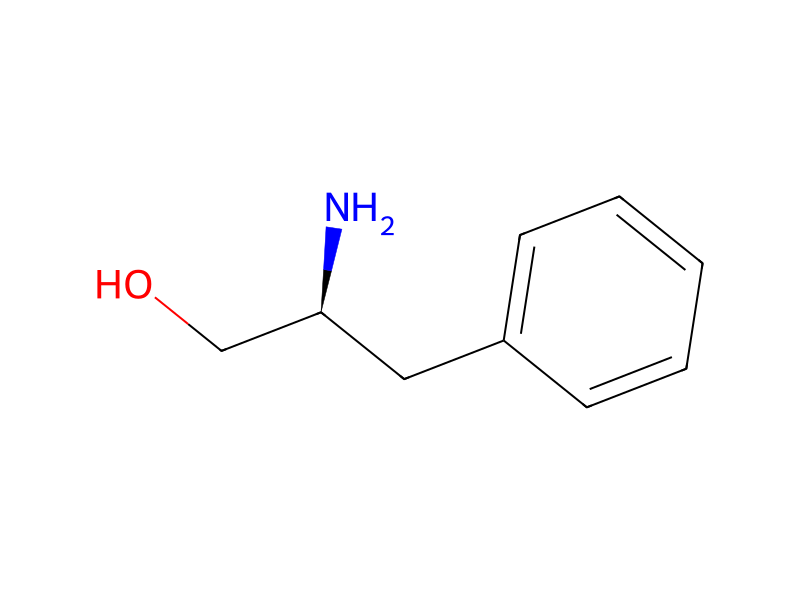
[C:1]1(=[O:11])[C:9]2[C:4](=[CH:5][CH:6]=[CH:7][CH:8]=2)[C:3](=[O:10])O1.[NH2:12][C@@H:13]([CH2:16][C:17]1[CH:22]=[CH:21][CH:20]=[CH:19][CH:18]=1)[CH2:14][OH:15]>O1CCOCC1>[OH:15][CH2:14][C@@H:13]([N:12]1[C:3](=[O:10])[C:4]2[C:9](=[CH:8][CH:7]=[CH:6][CH:5]=2)[C:1]1=[O:11])[CH2:16][C:17]1[CH:18]=[CH:19][CH:20]=[CH:21][CH:22]=1Participants
4
Reactant 2
Product 1

Reagents, catalysts & solvents 1

Conditions
- Temperature
- 150 °C
Procedure
Isobenzofuran-1,3-dione (4.40 g, 29.76 mmol) and (S)-2-amino-3-phenylpropan-1-ol (4.50 g, 29.76 mmol) were charged into a 20 mL microwave tube along with 10 mL dioxane. The microwave tube was heated at 150° C. for 33 minutes in a Smith Synthesizer. After the reaction was complete, dioxane was evaporated off and the residue was passed through a short pad of silica gel with DCM. The resulting product (7.50 g, 89%) was used in the following step. LCMS (API-ES) m/z (%): 282.2 (100%, M++H).
Workup
- customdioxane was evaporated off
Sources & evidence
- ORD record
- ord-026f06bd477247129bb01aaf38c0fc2f
- Source dataset
- uspto-grants-2009_04
- Patent number
- US07514566B2
Linked notes
Loading…