Pivaloyl chloride → 2,4,4'-Tripivaloyloxybenzophenone
HRID 2119170
Reaction equation

[OH:1][C:2]1[CH:16]=[C:15]([OH:17])[CH:14]=[CH:13][C:3]=1[C:4]([C:6]1[CH:11]=[CH:10][C:9]([OH:12])=[CH:8][CH:7]=1)=[O:5].[C:18](Cl)(=[O:23])[C:19]([CH3:22])([CH3:21])[CH3:20]>N1C=CC=CC=1>[C:18]([O:1][C:2]1[CH:16]=[C:15]([O:17][C:18](=[O:23])[C:19]([CH3:22])([CH3:21])[CH3:20])[CH:14]=[CH:13][C:3]=1[C:4]([C:6]1[CH:7]=[CH:8][C:9]([O:12][C:18](=[O:23])[C:19]([CH3:22])([CH3:21])[CH3:20])=[CH:10][CH:11]=1)=[O:5])(=[O:23])[C:19]([CH3:22])([CH3:21])[CH3:20]Participants
4
Reactant 2
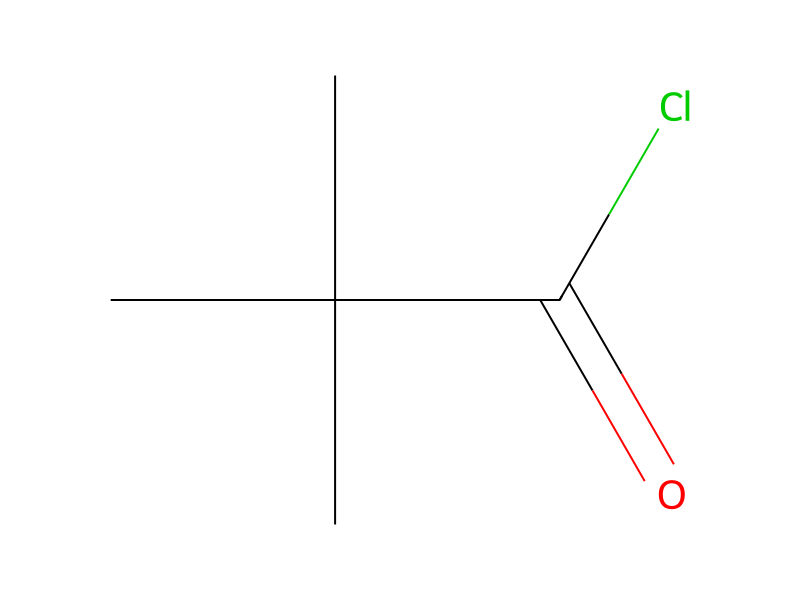

Product 1

Reagents, catalysts & solvents 1

Procedure
A solution of 2.3 g (0.01 mole) of 2,4,4'trihydroxybenzophenone was warmed to 50° C. with 3.65 g (0.035 mole) of pivaloyl chloride in 75 mls of dry pyridine. After 2 hrs. at 5° C., the solvent was evaporated under N2 stream and H2O added to the residue. The oily material was extracted with CH2Cl2 and washed with dilute K2CO3. The organic layer was dried over MgSO4. The glass which was recovered after solvent removal was crystallized from ethanol; 4.20 g (86%) yield; M.P.~94°-96° C.