HomeMCPWorkbenchSkills
HomeWorkbenchNotificationsMe
llms.txt · MCP GuidePrivacy Policy · Terms of Service · Supportv1.8.0
  1. Home
  2. /Reaction

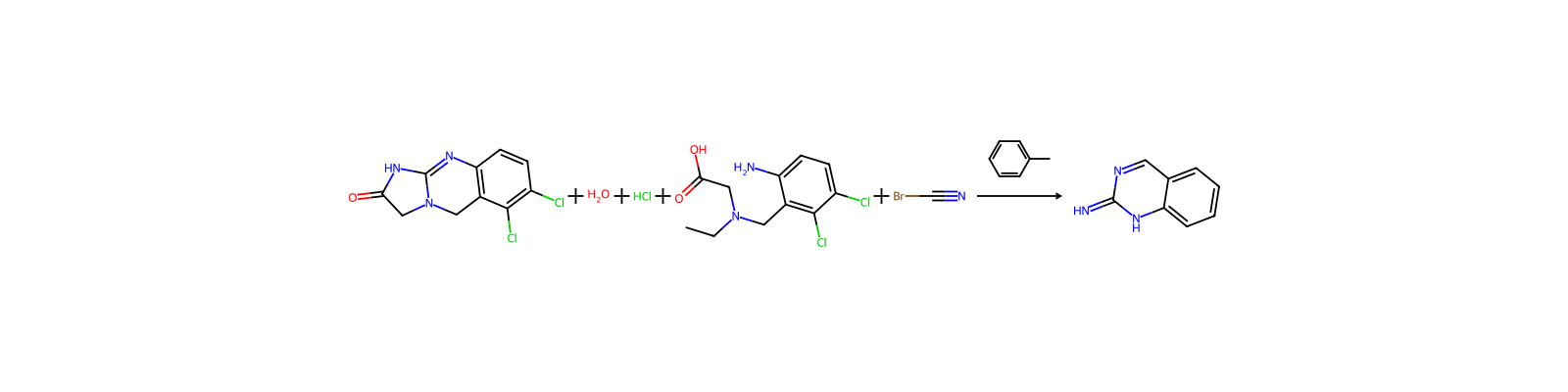
Cyanogen Bromide → Quinazolin-2-amine

HRID 2178727
Notes
Print preview

Reaction equation

HRID 2178727 reaction equation
[CH:1]1[C:6]2[N:7]=[C:8]3[N:13]([CH2:14][C:5]=2[C:4](Cl)=[C:3](Cl)[CH:2]=1)CC(=O)[NH:9]3.O.Cl.C(N(CC1C(N)=CC=C(Cl)C=1Cl)CC(O)=O)C.N#CBr>C1(C)C=CC=CC=1>[NH:9]=[C:8]1[N:13]=[CH:14][C:5]2[C:6](=[CH:1][CH:2]=[CH:3][CH:4]=2)[NH:7]1
ParticipantsProcedureSources & evidenceReaction notes

Participants

6

Reactant 4

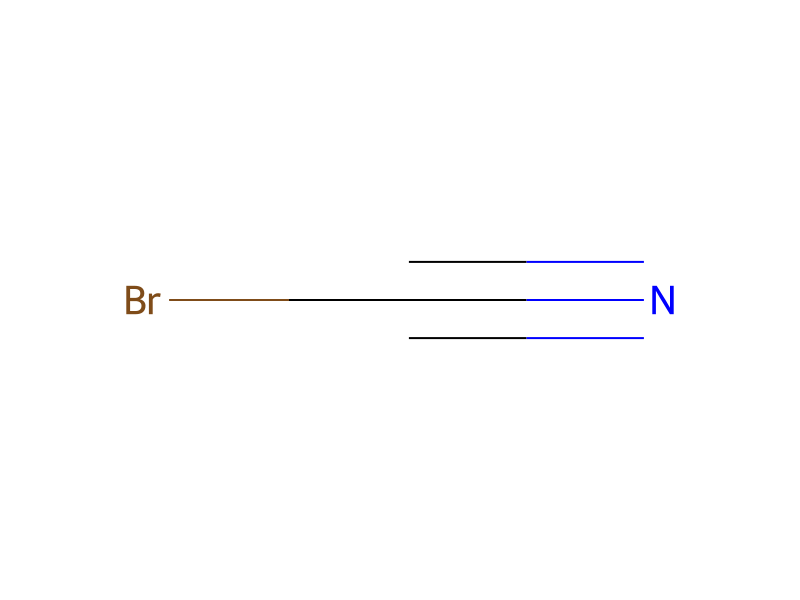
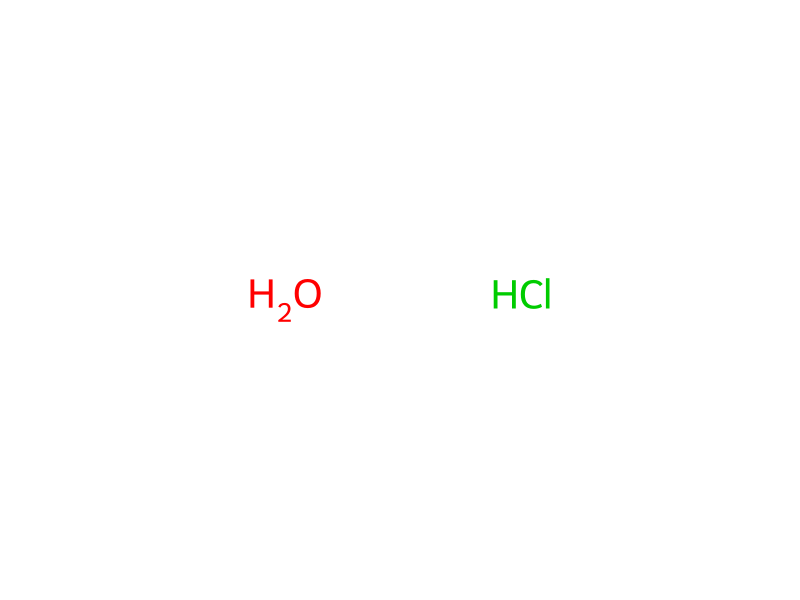
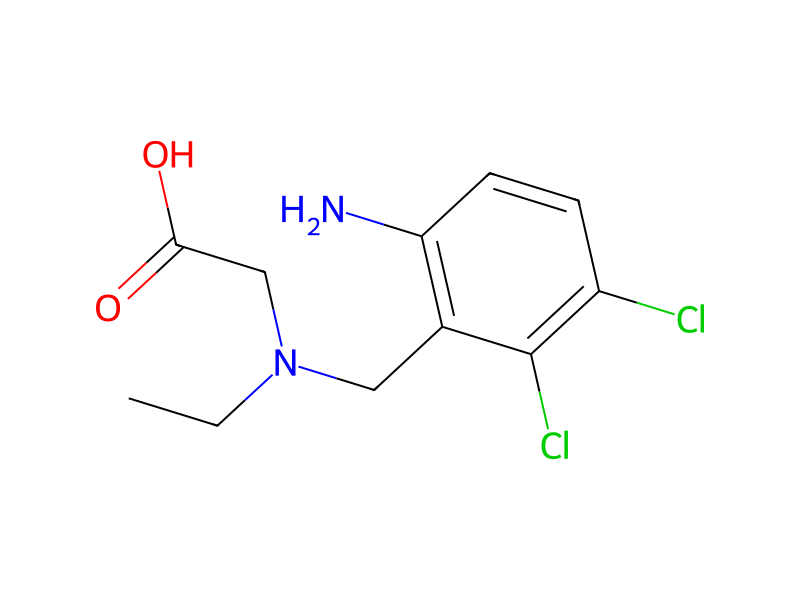
HCID 10476Cyanogen Bromide2×HCID 21885828Hydrate;hydrochloride2×HCID 67080112ethyl-N-(6-amino-2,3-dichlorobenzyl)glycine2×HCID 135409400Anagrelide

Product 1

HCID 178508286Quinazolin-2-amine

Reagents, catalysts & solvents 1

HCID 1140
Toluene
Solvent

Procedure

Commercially, as discussed in U.S. Pat. No. 5,801,245, and as shown in Scheme 1 below, anagrelide has been prepared as the hydrochloride monohydrate (compound IV) from the intermediate, ethyl-N-(6-amino-2,3-dichlorobenzyl)glycine (compound I), either by reaction with cyanogen bromide in hot alcoholic solution, or, preferentially, by reaction with cyanogen bromide in an aprotic solvent such as toluene to give the iminoquinazoline intermediate (compound II), which is isolated and then reacted with a base in a hot solution of alcohol to form anagrelide base (compound III).

Sources & evidence

ORD record
ord-1ab8ad0e7f384b0191570b857b431b25
Source dataset
uspto-grants-2015_06
DOI
10.6084/m9.figshare.5104873.v1
Patent number
US09067944B2

Reaction notes

Loading…

On this pageParticipantsProcedureSources & evidenceReaction notes