Reaction equation

[CH:1]1([C:8]([C:10]2[CH:15]=[CH:14][CH:13]=[CH:12][CH:11]=2)=[O:9])[CH2:7][CH2:6][CH2:5][CH2:4][CH2:3][CH2:2]1.[OH-].[Na+].S(Cl)([Cl:21])(=O)=O>>[Cl:21][C:1]1([C:8]([C:10]2[CH:11]=[CH:12][CH:13]=[CH:14][CH:15]=2)=[O:9])[CH2:2][CH2:3][CH2:4][CH2:5][CH2:6][CH2:7]1Participants

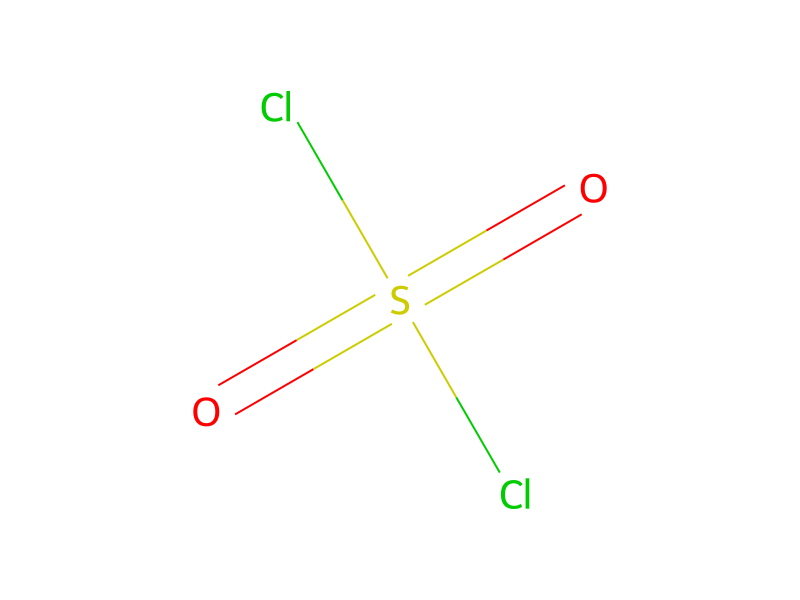


Conditions
- Temperature
- 0 °C
Procedure
Sulfuryl chloride (210 mL) was added dropwise to neat cycloheptyl-phenyl-methanone (Example 14a) (86.5 g) at 0° C. over approximately 1 hour. Gas evolution and an exotherm were observed. The internal temperature was kept below 15° C. during the addition and the evolved gas was scrubbed by passing through a 10.2M aqueous solution of NaOH. The reaction mixture was heated to reflux overnight. The reaction mixture was cooled to 0° C and poured slowly onto ice (1 L) with stirring. The layers were separated and the aqueous layer was extracted with ether (2×400 mL). The combined organic layers were washed with water (600 mL), saturated aqueous sodium hydrogen carbonate (600 mL), and brine (600 mL), dried over magnesium sulphate, filtered and evaporate to give the sub-titled compound as a brown oil (100 g).
Workup
- additionThe internal temperature was kept below 15° C. during the addition
- temperatureThe reaction mixture was heated
- temperatureto reflux overnight
- additionpoured slowly onto ice (1 L)
- customThe layers were separated
- extractionthe aqueous layer was extracted with ether (2×400 mL)
- washThe combined organic layers were washed with water (600 mL), saturated aqueous sodium hydrogen carbonate (600 mL), and brine (600 mL)
- dry with materialdried over magnesium sulphate
- filtrationfiltered
- customevaporate
Sources & evidence
- ORD record
- ord-5e979f79f70e4632aac4df153fe0d7e3
- Source dataset
- uspto-grants-2012_12
- Patent number
- US08329729B2
Linked notes
Loading…