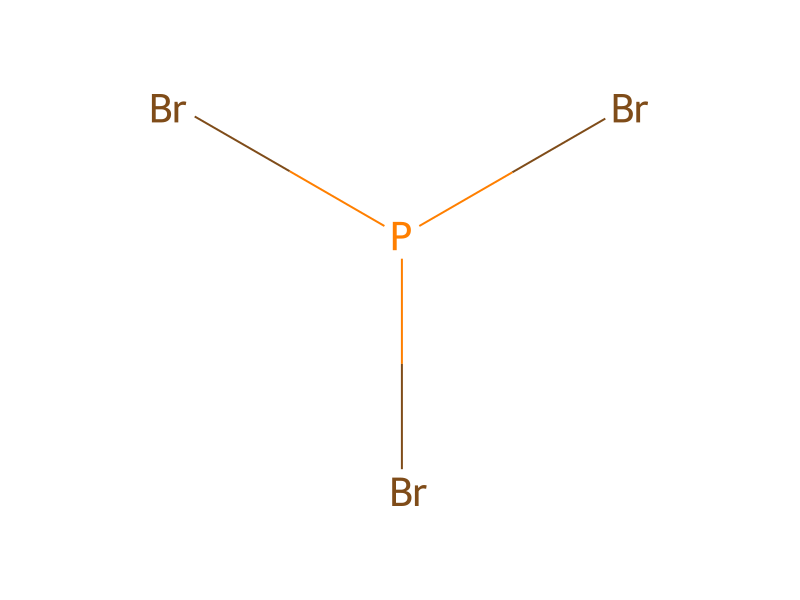
[NH2:1][C:2]1[N:10]=[C:9]([O:11][CH2:12][CH2:13][O:14][CH3:15])[N:8]=[C:7]2[C:3]=1[N:4]=[C:5]([O:25][CH3:26])[N:6]2[CH2:16][C:17]1[CH:18]=[C:19]([CH2:23]O)[CH:20]=[CH:21][CH:22]=1.P(Br)(Br)[Br:28]>ClCCl>[Br:28][CH2:23][C:19]1[CH:18]=[C:17]([CH:22]=[CH:21][CH:20]=1)[CH2:16][N:6]1[C:5]([O:25][CH3:26])=[N:4][C:3]2[C:7]1=[N:8][C:9]([O:11][CH2:12][CH2:13][O:14][CH3:15])=[N:10][C:2]=2[NH2:1]A solution of Compound 7 (65 mg, 0.18 mmol) in dichloromethane (2 mL) was cooled to 0° C. and phosphorus tribromide (17 μL, 48.9 mg, 0.18 mmol) was added by syringe. The reaction mixture was stirred at 0° C. and the progress of the reaction was monitored by TLC (silica gel, eluting 10% methanol in ethyl acetate). After 20 minutes, the reaction mixture was quenched with saturated sodium bicarbonate solution, washed with water, and the combined organic layers were dried over sodium sulfate and evaporated to dryness. The crude mixture containing Compound (11) was used in the next step without further purification. LCMS: m/z for C17H20BrN5O3++H observed 423 and 424.1 at 1.42 minutes of a 3.0 minute run, eluting 5-95% CH3CN in H2O (C18 column).