Reaction equation

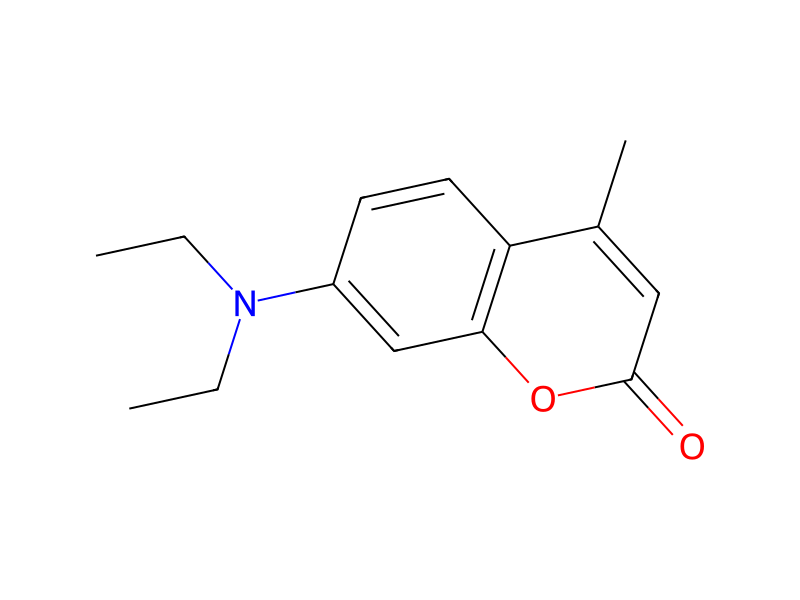
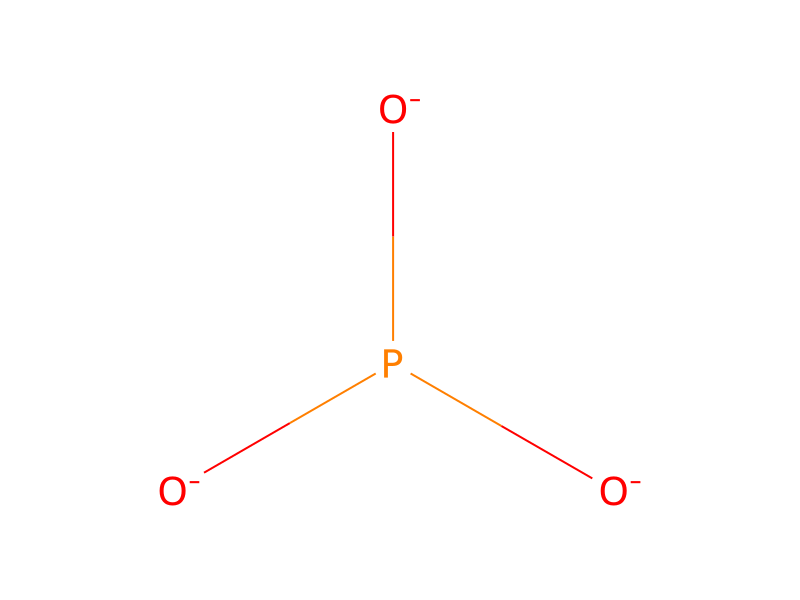
CC1C2C(=CC(N(CC)CC)=CC=2)[O:5]C(=O)C=1.[BH4-].[Na+].[CH2:20]([N:22]([CH2:36][CH3:37])[C:23]1[CH:32]=[C:31]2[C:26]([C:27]([CH2:34][OH:35])=[CH:28][C:29](=[O:33])[O:30]2)=[CH:25][CH:24]=1)[CH3:21].[P:38](N)([O-:40])[O-:39].N1C=NN=N1>>[CH2:36]([N:22]([CH2:20][CH3:21])[C:23]1[CH:32]=[C:31]2[C:26]([C:27]([CH2:34][OH:35])=[CH:28][C:29](=[O:33])[O:30]2)=[CH:25][CH:24]=1)[CH3:37].[P:38]([O-:40])([O-:5])[O-:39]Participants
Reactant 5



Product 2
Procedure
7-(Diethylamino)-4-hydroxymethylcoumarin (9) was prepared by oxidation of 4-methyl-7-(diethylamino)coumarin with SeO2, and subsequent reduction with NaBH4. Reaction of alcohol 9 with phosphoramidite 8 in the presence of 1H-tetrazole provided a phosphite intermediate, which was oxidized in the same pot with anhydrous TBHP to afford phosphate 10 (Scheme 2). Removal of the protecting groups required some exploration. An initial attempt to deprotect both the Boc and MOM groups with TFA resulted in the loss of the Boc group in 1 h; however, only 50% of the MOM group was removed even after stirring for 3 days at rt. Reaction with Me3SiBr in CH2Cl 2, rather than removing the methyl ester of the phosphate, resulted instead in the loss of the coumarin moiety from the lipid. When 10 was heated in 6 M HCl/THF (2:1) at 60° C. for 6 h, all three groups, Boc, MOM, and the phosphate methyl ester, were removed to provide DECM-S1P (1), which on neutralization and N-acylation using p-nitrophenyl palmitate in DMF/CH2Cl2 gave C1P analogue 1a in good yield.
Sources & evidence
- ORD record
- ord-b71332fce9934feaae9a96ef839ca5de
- Source dataset
- uspto-grants-2016_06
- Patent number
- US09359389B2
Linked notes
Loading…