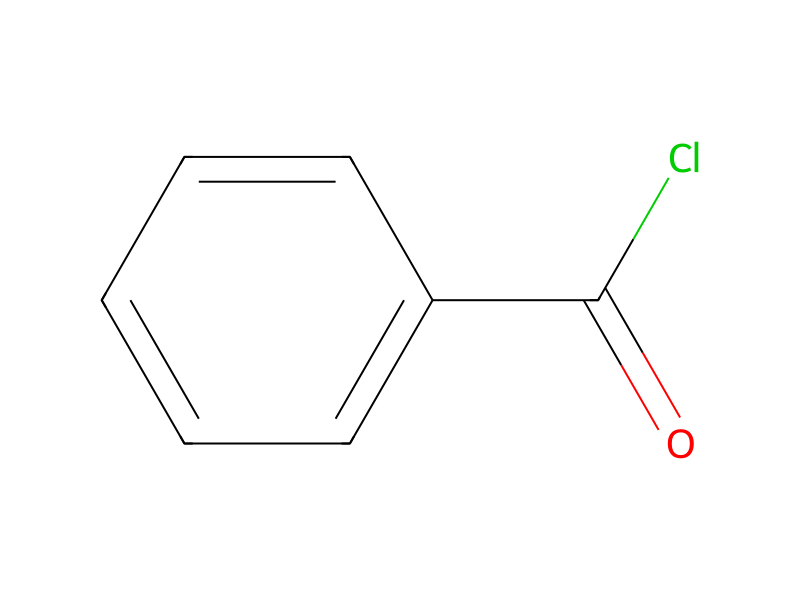
[C:1]([SH:3])#[N:2].N.[C:5](Cl)(=[O:12])[C:6]1[CH:11]=[CH:10][CH:9]=[CH:8][CH:7]=1.[CH3:14][O:15][C:16]1[CH:21]=[CH:20][C:19]([CH:22]2[CH2:27][CH2:26][O:25][CH2:24][CH2:23]2)=[CH:18][C:17]=1[NH2:28]>CC(C)=O>[C:5]([NH:2][C:1]([NH:28][C:17]1[CH:18]=[C:19]([CH:22]2[CH2:27][CH2:26][O:25][CH2:24][CH2:23]2)[CH:20]=[CH:21][C:16]=1[O:15][CH3:14])=[S:3])(=[O:12])[C:6]1[CH:11]=[CH:10][CH:9]=[CH:8][CH:7]=1To a stirred solution of 1.11 g (14.6 mmol) ammonium rhodanide in 60 ml acetone was added dropwise 1.54 ml (13.3 mmol) benzoyl chloride and the mixture heated at reflux for 10 minutes. A solution of 2.75 g (13.3 mmol) 2-methoxy-5-(tetrahydro-pyran-4-yl)-phenylamine in 30 ml acetone was then added dropwise and the reaction mixture heated at reflux for a further 10 minutes. The mixture was then cooled to room temperature, poured onto sodium bicarbonate solution, and extracted three times with dichloromethane. The combined organic phases were dried over sodium sulfate and concentrated in vacuo. Flash chromatography (1/1 ethyl acetate/hexane) followed by trituration in ether afforded 3.25 g (66%) 1-benzoyl-3-[2-methoxy-5-(tetrahydro-pyran-4-yl)-phenyl]-thiourea as a white solid. ES-MS m/e (%): 371 (M+H+, 100).