HomeMCPWorkbenchSkills
HomeWorkbenchNotificationsMe
llms.txt · MCP GuidePrivacy Policy · Terms of Service · Supportv1.8.0
  1. Home
  2. /Reaction

Sodium Carbonate → 2-(Furan-3-yl)benzaldehyde

HRID 2233484
Notes
Print preview

Reaction equation

HRID 2233484 reaction equation
[CH:1]([C:3]1[CH:8]=[CH:7][CH:6]=[CH:5][C:4]=1B(O)O)=[O:2].Br[C:13]1[CH:17]=[CH:16][O:15][CH:14]=1.C(=O)([O-])[O-].[Na+].[Na+]>Cl[Pd](Cl)([P](C1C=CC=CC=1)(C1C=CC=CC=1)C1C=CC=CC=1)[P](C1C=CC=CC=1)(C1C=CC=CC=1)C1C=CC=CC=1.C(#N)C>[O:15]1[CH:16]=[CH:17][C:13]([C:4]2[CH:5]=[CH:6][CH:7]=[CH:8][C:3]=2[CH:1]=[O:2])=[CH:14]1
ParticipantsConditionsProcedureWorkupSources & evidenceReaction notes

Participants

6

Reactant 3

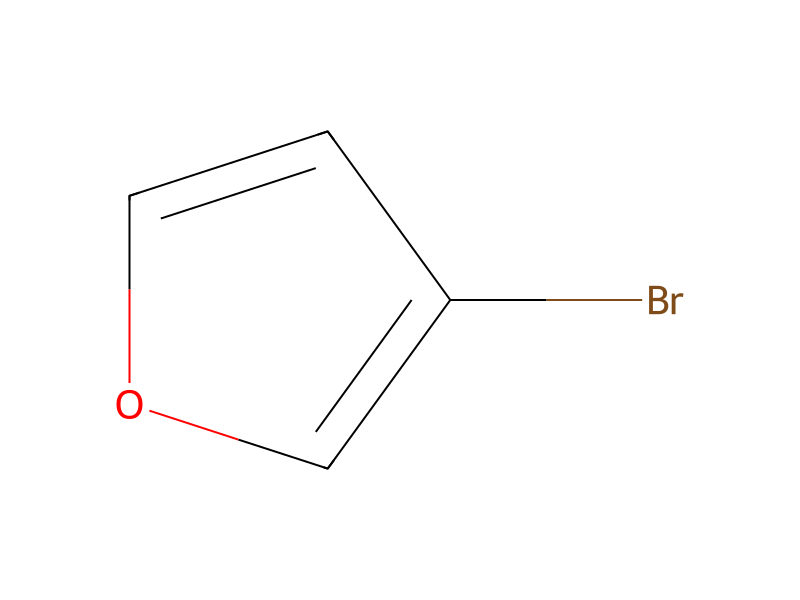
HCID 10340Sodium CarbonateHCID 891643-BromofuranHCID 2921892-Formylphenylboronic acid

Product 1

HCID 183576172-(Furan-3-yl)benzaldehydeYield 31.9%

Reagents, catalysts & solvents 2

HCID 178418476HCID 178418476, compoundCatalyst
HCID 6342
Acetonitrile
Solvent

Conditions

Temperature
150 °C

Procedure

A microwave vial (20 ml) was charged with 2-formylphenylboronic acid (298 mg, 2.0 mmol), 3-bromo-furan (350 mg, 2.4 mmol) and 8 ml of acetonitrile. To this mixture was added 4 ml of aqueous sodium carbonate (1M), followed by 100 mg of dichlorobis-(triphenylphosphine)-palladium(II). The reaction vessel was sealed and heated at 150° C. for 5 minutes with microwave irradiation. After cooling, the reaction mixture was extracted with ethylacetate. The organic layer was evaporated to provide crude material which was purified by ISCO to give 110 mg of 2-furan-3-yl-benzaldehyde (30% yield).

Workup

  1. customThe reaction vessel was sealed
  2. temperatureAfter cooling
  3. extractionthe reaction mixture was extracted with ethylacetate
  4. customThe organic layer was evaporated
  5. customto provide crude material which
  6. customwas purified by ISCO

Sources & evidence

ORD record
ord-9aad378a70464da78eef374549f957ec
Source dataset
uspto-grants-2010_05
DOI
10.6084/m9.figshare.5104873.v1
Patent number
US07709493B2

Reaction notes

Loading…

On this pageParticipantsConditionsProcedureWorkupSources & evidenceReaction notes