Reaction equation

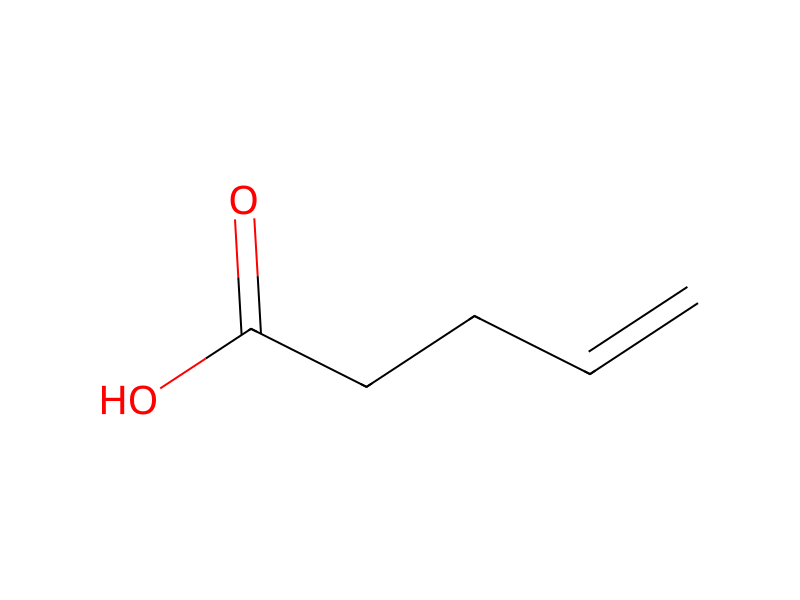
C=CCCC(O)=O.[C:8]1(=O)[CH2:13][CH2:12][CH2:11][CH2:10][CH2:9]1.[CH2:15]([NH2:19])[C:16](=[CH2:18])[CH3:17]>>[C:8]1(=[N:19][CH:15]=[C:16]([CH3:18])[CH3:17])[CH2:13][CH2:12][CH2:11][CH2:10][CH2:9]1Participants
4



Procedure
The procedure described in Example 1(a) is repeated, except that 302.5 g (2 mols) of N-cyclohexylidene-(2-methylpropenylamine) and 250 g (4.62 mols) of 1,3-butadiene are used. Distillation yields 382 g (1.48 mols) of 3,3-dimethyl-12,12-pentamethylene-1-aza-1,5,9-cyclododecatriene; boiling point 96° C./4 Pa; nD20 =1.5116. The N-cyclohexylidene-(2-methylpropenylamine) was prepared from cyclohexanone and methallylamine, with subsequent isomerisation of the reaction product with potassium tert.-butylate; boiling point 96° C./1,700 Pa; nD20 =1.5160.
Sources & evidence
- ORD record
- ord-279acf50c4024af1a52e52c5c1cf3d06
- Source dataset
- uspto-grants-1982_10
- Patent number
- US04355177
Linked notes
Loading…