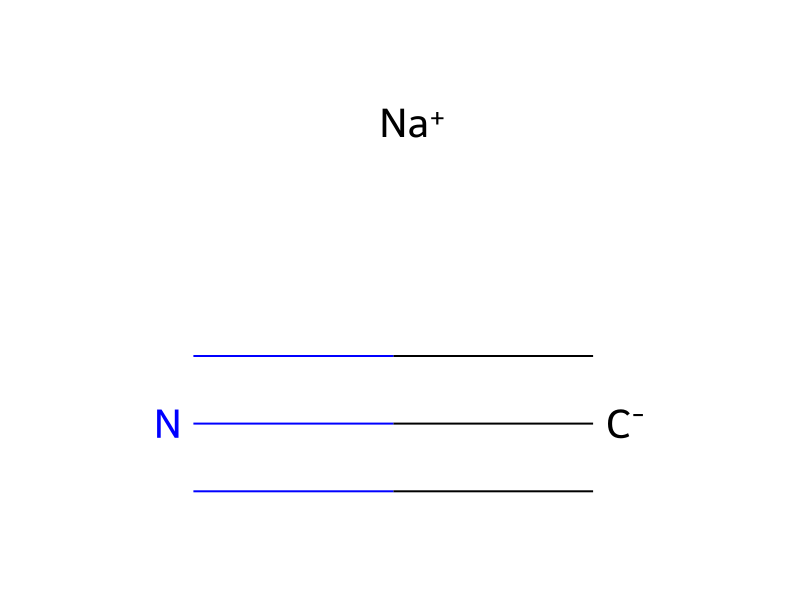
A magnetically stirred suspension of sodium cyanide (13.65 g, 265 mmol) in anhydrous methyl sulfoxide (65 mL) was treated dropwise with 3-(3-methoxyphenyl)propyl iodide (66.25 g, 240 mmol) at a rate sufficient to keep the temperature below 45° C. The suspension was heated at 90° C. for 1 h, cooled to room temperature, poured over ice (1000 g), treated with diethyl ether (500 mL), the layers separated, and the aqueous portion back-extracted with diethyl ether (2×300 mL). The combined organic extracts were washed with water (3×500 mL), 6N HCl (500 mL), brine (500 mL), dried (MgSO4), filtered, and concentrated in vacuo to a clear liquid. Kugelrohr distillation (0.1 torr, 120° C.) provided the desired product as a dear liquid (37.62 g, 89%): 1H NMR (CDCl3) δ7.25 (t, J=8 Hz, 1H), 6.78-6.69 (m, 3 H), 3.80 (s, 3 H), 2.75 (t, J=8 Hz, 2 H), 2.31 (t, J=8 Hz, 2 H), 1.98 (quint, J=8 Hz, 2 H). 4-(3-Methoxyphenyl)butylamine: To a Parr bottle flushed with nitrogen was added -1.0 g of Raney Nickel (50% suspension in H2O), ethanol (125 mL), ammonium hydroxide (30 mL), and a solution of 4-(3-methoxyphenyl)butyronitrile (8.49 g, 48.4 mmol) in ethanol (150 mL). The bottle was charged with hydrogen (60 psi) and rocked 3 d. The suspension was filtered through Celite, the cake rinsed with fresh ethanol (400 mL), and the combined filtrate concentrated in vacuo. The resulting suspension was treated with dichloromethane (200 mL) and water (200 mL), the layers separated, and the aqueous portion back-extracted with fresh dichloromethane (2×150 mL). The combined organic portions were washed with saturated sodium chloride solution (300 mL), dried (K2CO3), filtered, and concentrated in vacuo. Kugelrohr distillation (0.1 torr, 120° C.) provided the desired product as a dear liquid (6.77 g, 78%) which was identical spectroscopically to that previously reported. Venit, J. J.; DiPierro, M.; Magnus, P. J. Org. Chem. 1989, 54, 4298-4301. 1H NMR (CDCl3) δ 7.20 (t, J=8 Hz, 1 H), 6.79-6.70 (m, 3 H), 3.80 (s, 3 H), 2.75-2.68 (m, 2 H), 2.61 (t, J=8 Hz, 2 H), 1.82-1.45 (m, 6 H).