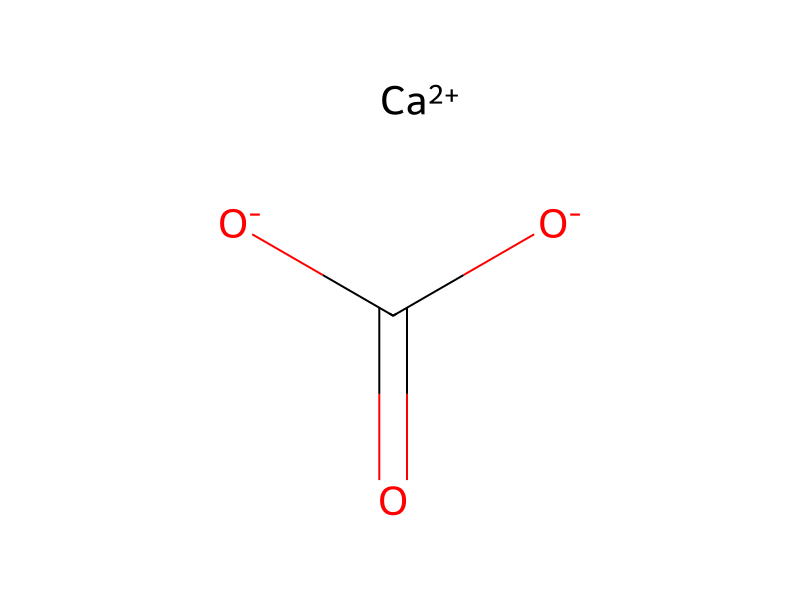
To a stirred solution of crude 4-bromomethyl-2-chloro-5-iodo-pyridine (23 g, 69.3 mmol, 1 eq) in 1,4-dioxane (230 mL) was added suspension of CaCO3 (36.05 g, 360 mmol, 5.2 eq) in water (230 mL) at room temperature. Resulting reaction mixture was refluxed for 10 hours. After complete consumption of starting material, reaction mixture was cooled to room temperature and filtered through celite bed over Buchner funnel. Celite bed was washed with EtOAc (2×100 mL). Combined filtrate was washed with water (100 mL) and aqueous sodium bicarbonate (50 mL), dried over sodium sulfate and concentrated under reduced pressure to afford brown solid (22 g, crude). Crude was purified by column chromatography using silica gel (100-200 mesh). Desired compound was eluted at 30% EtOAc in hexane to get title compound as faint yellow solid (1.4 g, impure) and also 11.5 g of 2-chloro-5-iodo-4-methyl-pyridine was recovered. Impure was used as such for next reaction. 1H NMR (400 MHz, CDCl3) δ: 2.1 (t, J=5.64 Hz, 1H), 4.62 (d, J=6.24 Hz, 2H), 7.54 (s, 1H), 8.58 (s, 1H). LC-MS (m/z): 267.7 (M−H).