Reaction equation

FC1C=C(CC=O)C=CC=1.FC1C=C(C=CC(C(C)C)C(OCC)=O)C=CC=1.[OH-].[K+].CO.O.[F:34][C:35]1[CH:36]=[C:37]([CH:41]=[CH:42][CH:43]([CH:47]([CH3:49])[CH3:48])[C:44]([OH:46])=[O:45])[CH:38]=[CH:39][CH:40]=1.[C:50]([CH:52](O)[C:53]1[CH:58]=[CH:57][CH:56]=[C:55]([O:59][C:60]2[CH:65]=[CH:64][CH:63]=[CH:62][CH:61]=2)[CH:54]=1)#[N:51]>>[F:34][C:35]1[CH:36]=[C:37]([CH:41]=[CH:42][CH:43]([CH:47]([CH3:49])[CH3:48])[C:44]([O:46][CH:52]([C:50]#[N:51])[C:53]2[CH:58]=[CH:57][CH:56]=[C:55]([O:59][C:60]3[CH:61]=[CH:62][CH:63]=[CH:64][CH:65]=3)[CH:54]=2)=[O:45])[CH:38]=[CH:39][CH:40]=1Participants
6
Reactant 5


Product 1

Procedure
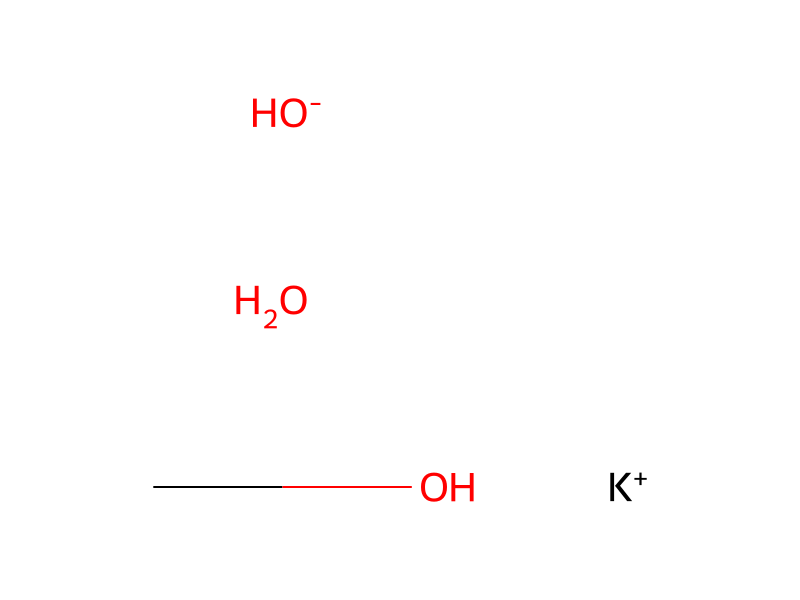
3-Fluorophenylacetaldehyde is converted into ethyl 4-(3-fluorophenyl)-2-isopropyl-3-butenoate using the reaction of Example 9. The ester is hydrolyzed using KOH/MeOH/H2O to 4-(3-fluorophenyl)-2-isopropyl-3-butenoic acid, which is converted to the acid chloride and reacted with α-cyano-m-phenoxybenzyl alcohol to yield α-cyano-m-phenoxybenzyl 4-(3-fluorophenyl)-2-isopropyl-3-butenoate, MS m/e 429 (M+).
Workup
- customthe reaction of Example 9
Sources & evidence
- ORD record
- ord-f7f970fae2fa4bbf93036adf29981be6
- Source dataset
- uspto-grants-1981_05
- Patent number
- US04267359
Linked notes
Loading…