1,4-Dioxane → HCID 178524083, compound
HRID 2287218
Reaction equation

C([C:4]1[CH:15]=[CH:14][C:13]2[C:12]3[C:7](=[CH:8][CH:9]=[CH:10][CH:11]=3)[C:6]=2[CH:5]=1)(=O)C.Cl[O-:17].[Na+].[O:19]1[CH2:24]COCC1>S(Cl)(Cl)=O>[CH:5]1[C:6]2[C:7]3[C:12](=[CH:11][CH:10]=[CH:9][CH:8]=3)[C:13]=2[CH:14]=[CH:15][C:4]=1[C:24]([OH:19])=[O:17]Participants
5
Reactant 3


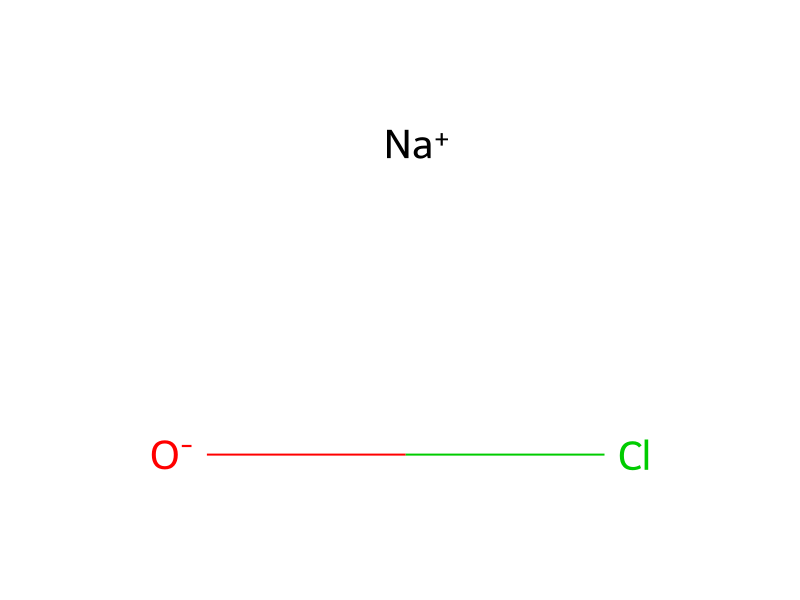
Product 1

Reagents, catalysts & solvents 1

Procedure
2-Biphenylene carboxylic acid is prepared from the oxidation of 2-acetylbiphenylene in dioxane with sodium hypochlorite solution by the process described by W. Baker et al., J. Chem. Soc. 1476 (1954). The acid is refluxed in excess thionyl chloride to produce the acid chloride.
Sources & evidence
- ORD record
- ord-26b3e94407ac44998fcbf73b60e3dfcb
- Source dataset
- uspto-grants-1981_05
- Patent number
- US04269953