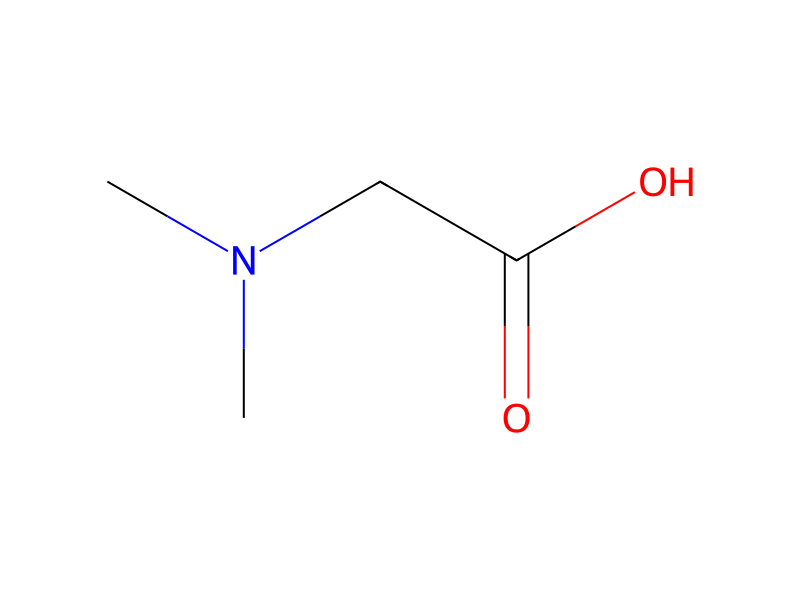
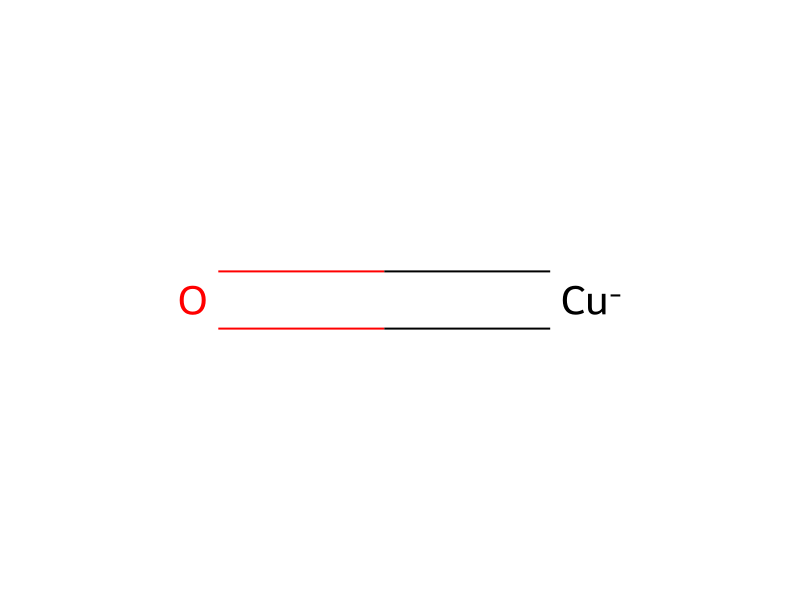
I[C:2]1[CH:7]=[CH:6][C:5]([C:8]([N:10]2[CH2:15][CH2:14][O:13][CH2:12][CH2:11]2)=[O:9])=[CH:4][CH:3]=1.[F:16][C:17]([F:28])([F:27])[C:18]1[C:26]2[CH2:25][CH2:24][CH2:23][CH2:22][C:21]=2[NH:20][N:19]=1.CN(C)CC(O)=O.C(=O)([O-])[O-].[Cs+].[Cs+]>CS(C)=O.[Cu-]=O>[N:10]1([C:8]([C:5]2[CH:6]=[CH:7][C:2]([N:20]3[C:21]4[CH2:22][CH2:23][CH2:24][CH2:25][C:26]=4[C:18]([C:17]([F:16])([F:28])[F:27])=[N:19]3)=[CH:3][CH:4]=2)=[O:9])[CH2:15][CH2:14][O:13][CH2:12][CH2:11]1A mixture of 4-[(4-iodophenyl)carbonyl]morpholine (1.90 g, 6.0 mmol), 3-(trifluoromethyl)-4,5,6,7-tetrahydro-1H-indazole (1.14 g, 6.0 mmol), copper (I) oxide (10 mol %, 0.6 mmol, 86 mg), N,N-dimethylglycine (20 mol %, 1.2 mmol, 124 mg), and cesium carbonate (12.0 mmol, 3.91 g) in dimethylsulfoxide (16 ml) was stirred in an oilbath heated at 130° C. for 24 h under argon and then allowed to cool to room temperature. The reaction mixture was partitioned between dichloromethane (30 ml) and water (30 ml). The organic layer was separated and dried over sodium sulphate. The solvent was removed by rotary evaporation to give a dark brown residue that was added to a 20 g isolute pre-packed silica column and eluted from 0-50% ethyl acetate in petroleum ether to give the title compound as a brown gum (1.86 g, 82%).
Loading…