Reaction equation

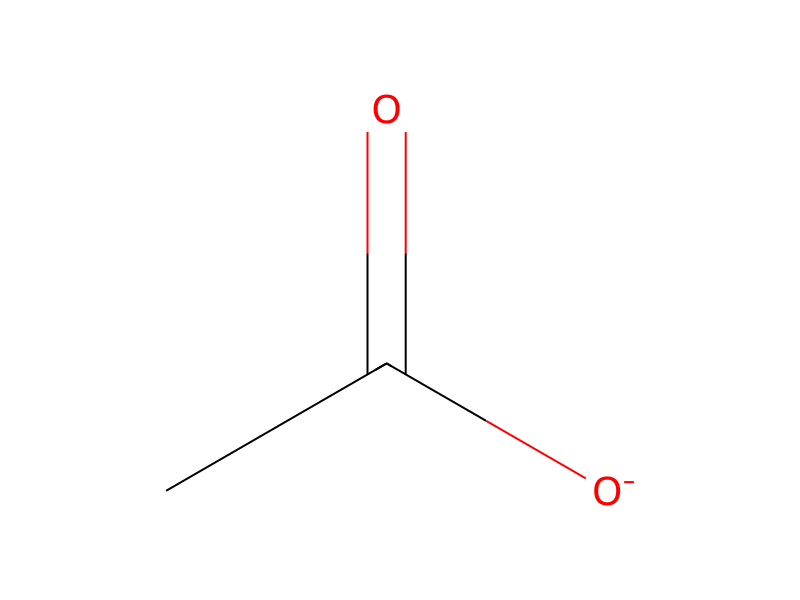
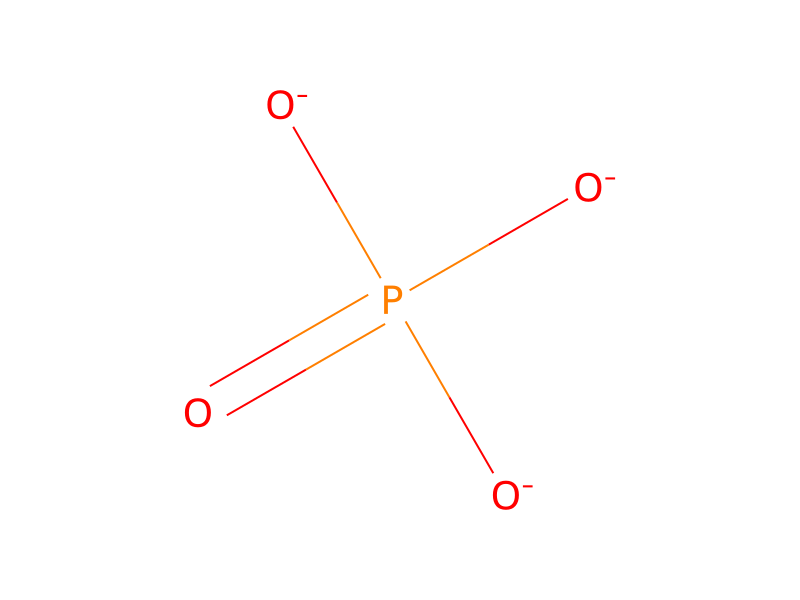
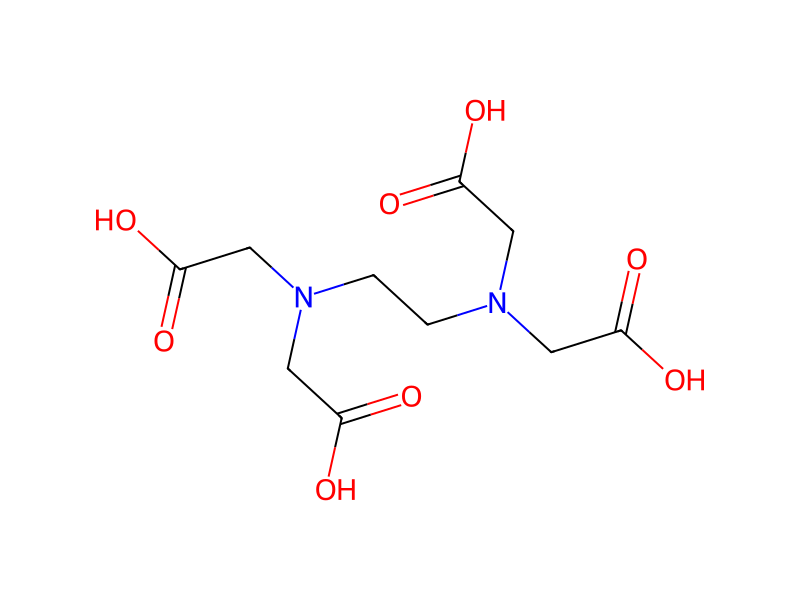
[C:1]([O-:4])(=[O:3])[CH3:2].P([O-])([O-])([O-])=O.[C:10](=[O:13])([O-:12])[O-].C(=O)(O)[O-].CC[C:20]1(CC)C(=O)N[C:24](=O)[NH:23][C:21]1=O.Cl.[C:32]([O-:35])(=[O:34])[CH3:33].[Na+].[NH2:37][CH2:38][C:39]([OH:41])=[O:40].[OH-].[Na+].B([O-])([O-])[O-]>>[CH2:21]([N:23]([CH2:33][C:32]([OH:35])=[O:34])[CH2:24][C:10]([OH:12])=[O:13])[CH2:20][N:37]([CH2:38][C:39]([OH:41])=[O:40])[CH2:2][C:1]([OH:4])=[O:3]Participants


Procedure
Any buffer providing the desired pH which does not interfere the measurement of enzyme activity is suitable for use in the present invention. However, more specifically, a conventional acetate buffer can be used to provide a pH of 6.0 or less; a conventional phosphate buffer can be used to provide a pH of from 5.5 to 9.5; a carbonate-bicarbonate buffer (e.g., K2CO3 --NaHCO3) buffer can be used to provide a pH of from 8.5 to 11.0; a conventional Britton-Robinson buffer can be used to provide a pH of from 5.0 to 9.0; a conventional Veronal-sodium acetate-HCl buffer can be used to provide a pH of from 3.0 to 9.0; a TRIS-HCl buffer can be used to provide a pH of from 6.8 to 8.5; a conventional glycine-NaOH buffer can be used to provide a pH of from 8.5 to 9.5; a conventional borate buffer can be used to provide a pH of from 8.0 to 11.0; a conventional EDTA buffer can provide a pH of about 8.5; etc.
Workup
- customAny buffer providing the desired pH which
- customto provide a pH of 6.0 or less
- customto provide a pH of from 5.5 to 9.5
- customto provide a pH of from 8.5 to 11.0
- customto provide a pH of from 5.0 to 9.0
- customto provide a pH of from 3.0 to 9.0
- customto provide a pH of from 6.8 to 8.5
- customto provide a pH of from 8.5 to 9.5
- customto provide a pH of from 8.0 to 11.0
Sources & evidence
- ORD record
- ord-6b3c35f6f848441c8a2ccfd049611ed2
- Source dataset
- uspto-grants-1997_01
- Patent number
- US05595867
Linked notes
Loading…