HomeMCPSkillsWorkbenchOpenChem
HomeWorkbenchNotificationsMe
llms.txt · skill.md · MCP GuidePrivacy Policy · Terms of Service · Supportv1.8.5
  1. Home
  2. /Reaction

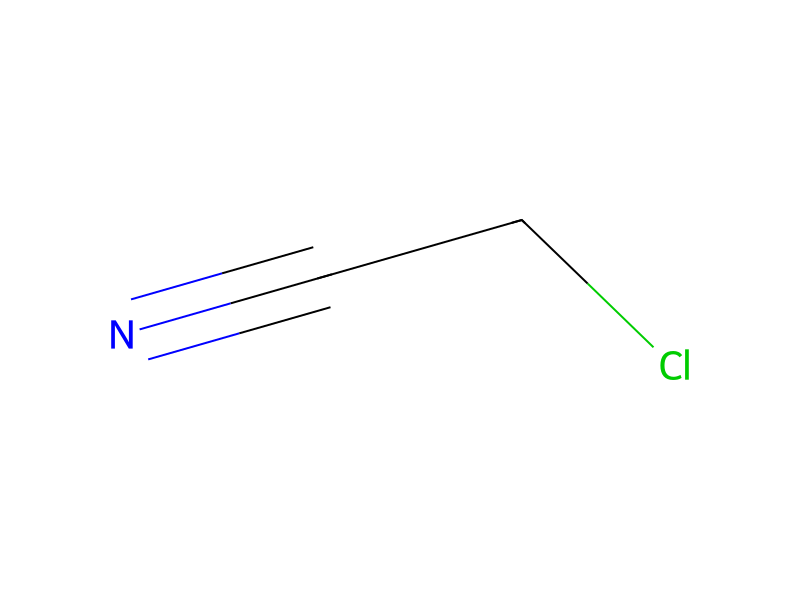
Chloroacetonitrile → 1-Cyanomethyl-1,2,3,4-tetrahydro-quinoline

HRID 236915
Print

Reaction equation

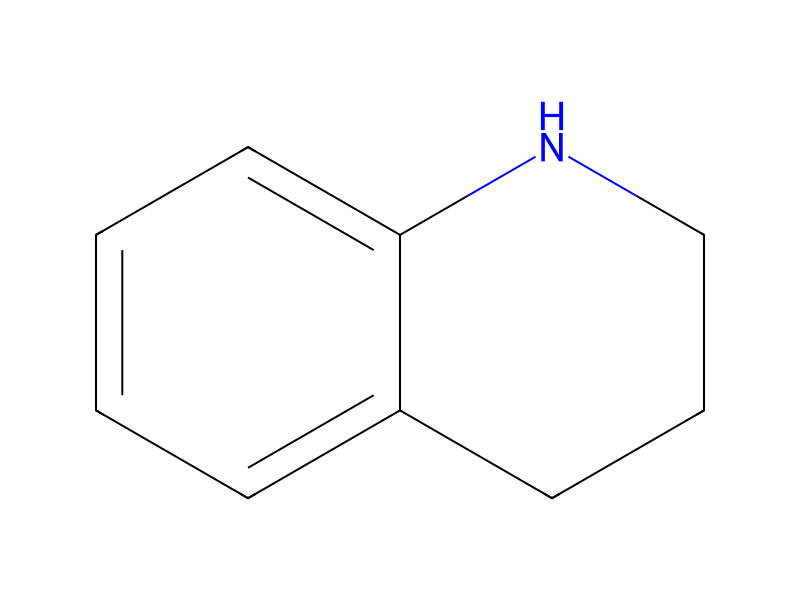
[NH:1]1[C:10]2[C:5](=[CH:6][CH:7]=[CH:8][CH:9]=2)[CH2:4][CH2:3][CH2:2]1.Cl[CH2:12][C:13]#[N:14].C(=O)([O-])[O-].[Na+].[Na+]>C(Cl)Cl>[C:13]([CH2:12][N:1]1[C:10]2[C:5](=[CH:6][CH:7]=[CH:8][CH:9]=2)[CH2:4][CH2:3][CH2:2]1)#[N:14]
ParticipantsProcedureWorkupSources & evidenceReaction notes

Participants

5

Reactant 3

HCID 7856ChloroacetonitrileHCID 10340Sodium CarbonateHCID 694601,2,3,4-Tetrahydroquinoline

Product 1

HCID 37188871-Cyanomethyl-1,2,3,4-tetrahydro-quinoline

Reagents, catalysts & solvents 1

HCID 6344DichloromethaneSolvent

Procedure

162 parts of 1,2,3,4-tetrahydroquinoline, 126 parts of chloroacetonitrile and 66 parts of sodium carbonate are stirred for 6 hours at a temperature of 105°-115° C. After cooling, the thick brown suspension is diluted with methylene chloride and filtered. After washing thoroughly with methylene chloride, the filtrate is concentrated as far as possible in a water jet vacuum and the residue is subsequently distilled. The main fraction boils at 148°-150° C. at a pressure of 1 torr.

Workup

  1. temperatureAfter cooling
  2. filtrationfiltered
  3. washAfter washing thoroughly with methylene chloride
  4. concentrationthe filtrate is concentrated as far as possible in a water jet vacuum
  5. distillationthe residue is subsequently distilled

Sources & evidence

ORD record
ord-38694f3fc58640dea69cfca3feca232c
Source dataset
uspto-grants-1979_06
DOI
10.6084/m9.figshare.5104873.v1
Patent number
US04159192

Reaction notes

On this pageParticipantsProcedureWorkupSources & evidenceReaction notes