Reaction equation

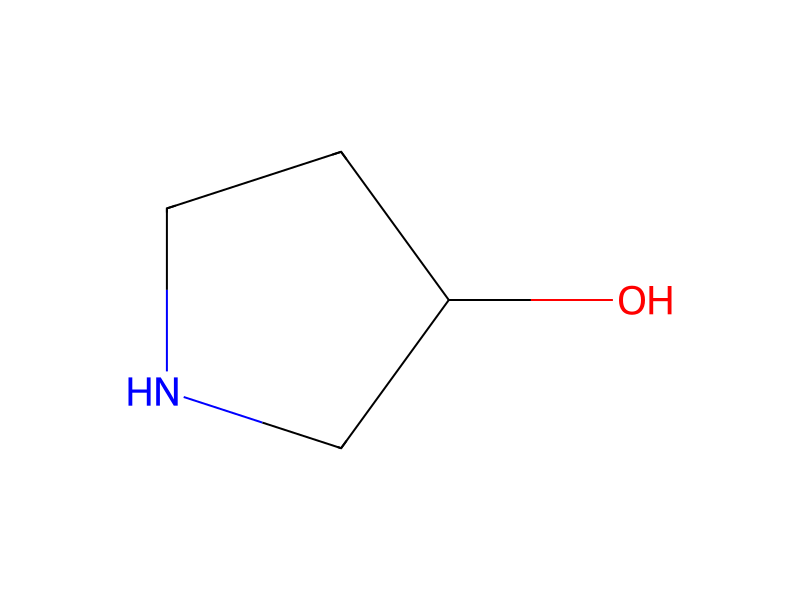
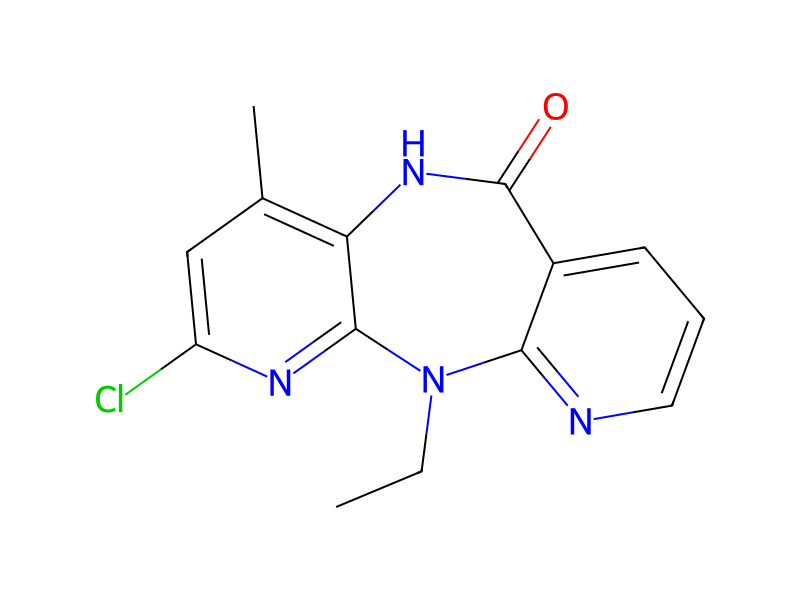
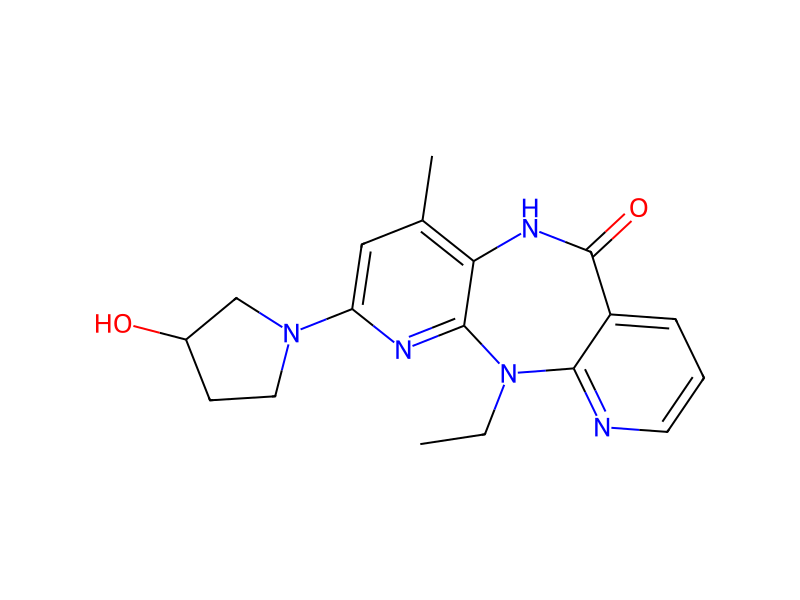
Cl[C:2]1[CH:3]=[C:4]([CH3:20])[C:5]2[NH:6][C:7](=[O:19])[C:8]3[CH:18]=[CH:17][CH:16]=[N:15][C:9]=3[N:10]([CH2:13][CH3:14])[C:11]=2[N:12]=1.[OH:21][CH:22]1[CH2:26][CH2:25][NH:24][CH2:23]1>O>[CH2:13]([N:10]1[C:9]2[N:15]=[CH:16][CH:17]=[CH:18][C:8]=2[C:7](=[O:19])[NH:6][C:5]2[C:4]([CH3:20])=[CH:3][C:2]([N:24]3[CH2:25][CH2:26][CH:22]([OH:21])[CH2:23]3)=[N:12][C:11]1=2)[CH3:14]Participants
4

Conditions
- Temperature
- 170 °C
Procedure
A suspension of the 2-chloro-5,11-dihydro-11-ethyl-4-methyl-6H-dipyrido[3,2-b:2',3'-e][1,4]diazepin-6-one (0.14 g) in 3-hydroxypyrrolidine (0.29 g) in an open test tube was heated at 170° C. for 30 minutes. After cooling to room temperature the mixture was diluted with water and extracted with ethyl acetate. The organic phase was washed, dried, and evaporated. Chromatography over silica gel with ethyl acetate gave the title compound, which crystallized from ethyl acetate. Yield, 0.12 g, m.p. 131°-134° C.
Workup
- temperatureAfter cooling to room temperature the mixture
- extractionextracted with ethyl acetate
- washThe organic phase was washed
- customdried
- customevaporated
Sources & evidence
- ORD record
- ord-a8e1e43b5eed47839f6ad2584eba7420
- Source dataset
- uspto-grants-1994_11
- Patent number
- US05366972
Linked notes
Loading…