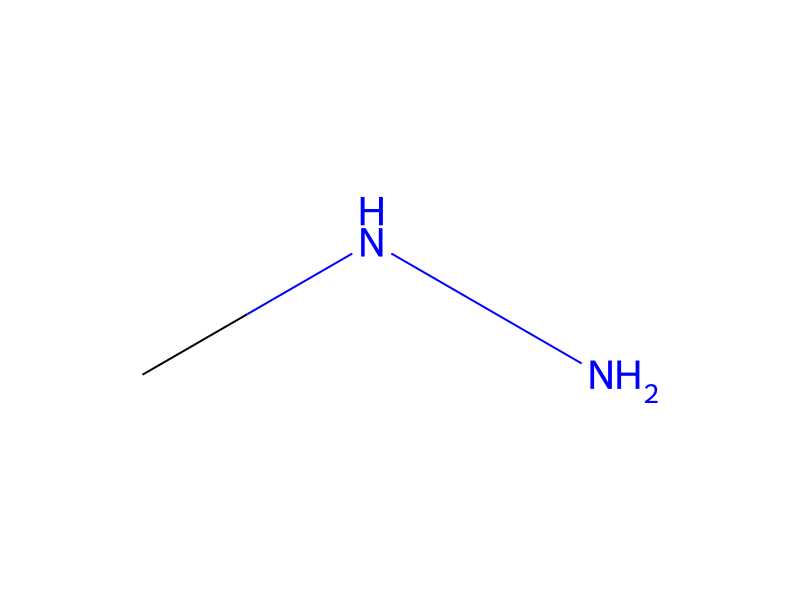
[CH3:1][NH:2][NH2:3].F[C:5]1[CH:12]=[C:11]([N:13]2[CH2:17][CH2:16][N:15]([C:18]3[CH:19]=[N:20][CH:21]=[CH:22][C:23]=3[CH3:24])[C:14]2=[O:25])[CH:10]=[CH:9][C:6]=1[C:7]#[N:8].CO>COCCO.C(Cl)(Cl)Cl>[NH2:8][C:7]1[C:6]2[C:5](=[CH:12][C:11]([N:13]3[CH2:17][CH2:16][N:15]([C:18]4[CH:19]=[N:20][CH:21]=[CH:22][C:23]=4[CH3:24])[C:14]3=[O:25])=[CH:10][CH:9]=2)[N:2]([CH3:1])[N:3]=1Methyl hydrazine (10 mL) was added to a stirred solution of 2-fluoro-4-[3-(4-methyl-pyridin-3-yl)-2-oxo-imidazolidin-1-yl]-benzonitrile (I-123a: 240 mg, 0.80998 mmol) in 2-methoxy ethanol (20 mL). The resulting mixture was stirred at 170° C. for 12 hours. The reaction was monitored by TLC (10% MeOH in CHCl3). The reaction mixture was cooled to room temperature and concentrated. Ice was added to the concentrate and the precipitate formed was collected and dried under reduced pressure to afford 180 mg of the product (69.2% yield).
Loading…