Reaction equation

[C:1]([O:5]CC(O)C)(=[O:4])[CH:2]=[CH2:3].CC1C(N=C=O)=CC([N:17]=[C:18]=[O:19])=CC=1.C([O-])(=O)C.C([O-])(=O)C.C([Sn+2]CCCC)CCC.COC1C=CC(O)=CC=1.C([C:53]1C=C(C)C=C(C(C)(C)C)[C:54]=1[OH:64])(C)(C)C>>[C:1]([OH:5])(=[O:4])[CH:2]=[CH2:3].[NH2:17][C:18]([O:64][CH2:54][CH3:53])=[O:19]Participants


Conditions
- Temperature
- 70 °C
Procedure
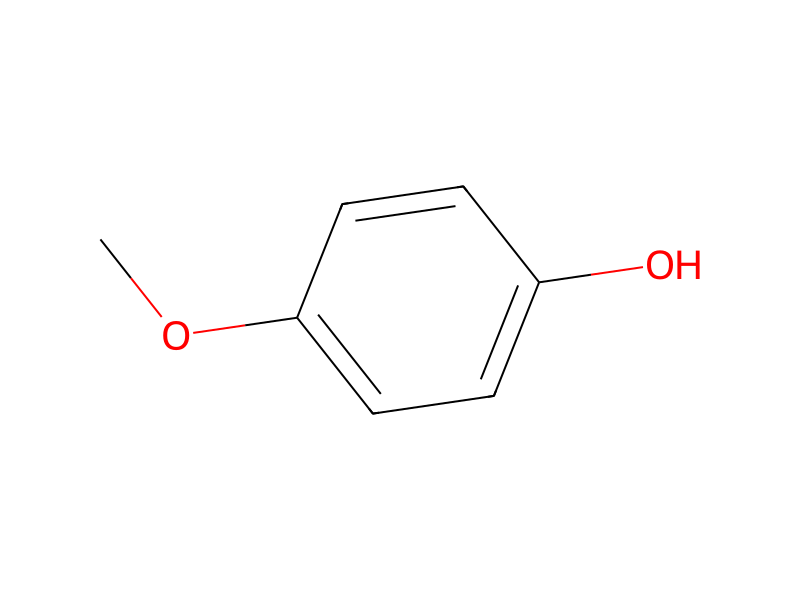
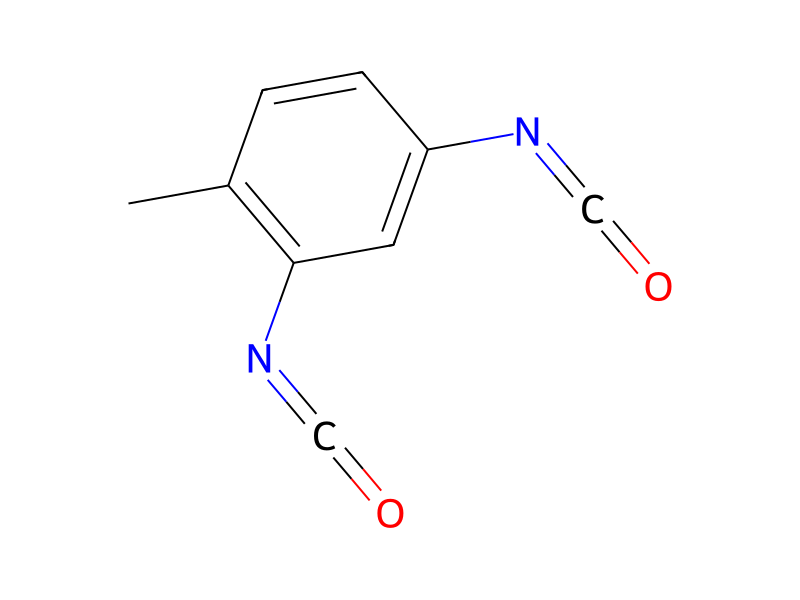
260 g (2 mol) of 2-hydroxypropyl acrylate (molecular weight 130) was placed in a flask equipped with a stirring blade, and with constant stirring, 174 g (1 mol) of TDI (2,4-tolylene diisocyanate) was added dropwise, with care taken over the generated heat, and the temperature was raised to 70° C. 1 g of dibutyl tin diacetate, 0.2 g of hydroquinone monomethyl ether and 1 g of 2,6-di-t-butyl-4-methylphenol were then added. Reaction was allowed to proceed at this temperature for 7 hours, and once the disappearance of NCO absorption had been confirmed via an infrared absorption spectrum, the reaction mixture was removed, yielding a urethane acrylate (A-X) as the radical polymerizable oligomer (A). The number average molecular weight of the synthesized urethane acrylate (A-X) was 434.
Workup
- customequipped with a stirring blade
- temperaturegenerated heat
- customReaction
- customonce the disappearance of NCO absorption
- customhad been confirmed via an infrared absorption spectrum
- customthe reaction mixture was removed
Sources & evidence
- ORD record
- ord-fcd592e6641c4edf9c1358088911e541
- Source dataset
- uspto-grants-2005_02
- Patent number
- US06853788B2
Linked notes
Loading…