Dibenzyl → 4-(2-Phenylethyl)benzene-1-sulfonic acid
Reaction equation

[C:1]1([CH2:11][CH2:12][C:13]2[CH:18]=[CH:17][CH:16]=[CH:15][CH:14]=2)[CH:6]=[CH:5][C:4]([S:7](Cl)(=[O:9])=[O:8])=[CH:3][CH:2]=1.C1(CCC2C=CC=CC=2)C=CC=CC=1.C1(CCC2C=CC(S(Cl)(=O)=O)=CC=2)C=CC(S(Cl)(=O)=[O:40])=CC=1.ClS(O)(=O)=O>>[C:1]1([CH2:11][CH2:12][C:13]2[CH:18]=[CH:17][CH:16]=[CH:15][CH:14]=2)[CH:6]=[CH:5][C:4]([S:7]([OH:40])(=[O:9])=[O:8])=[CH:3][CH:2]=1Participants
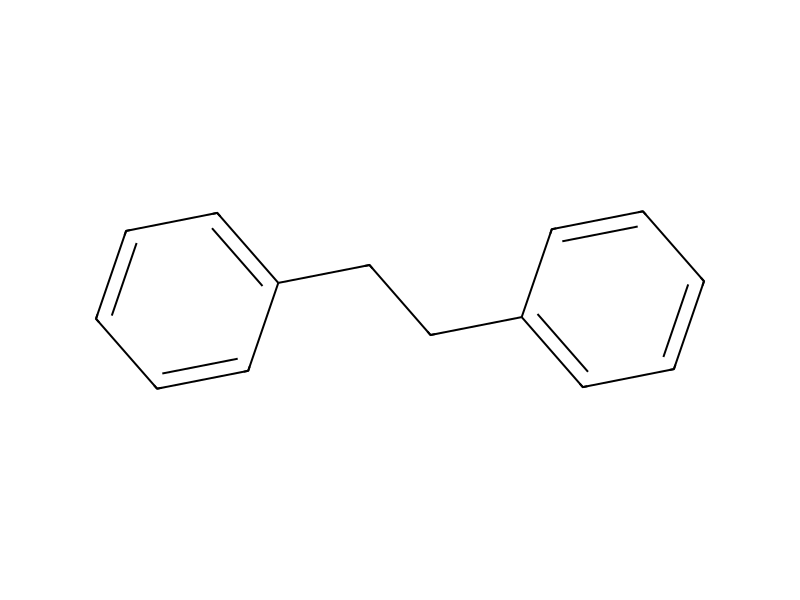
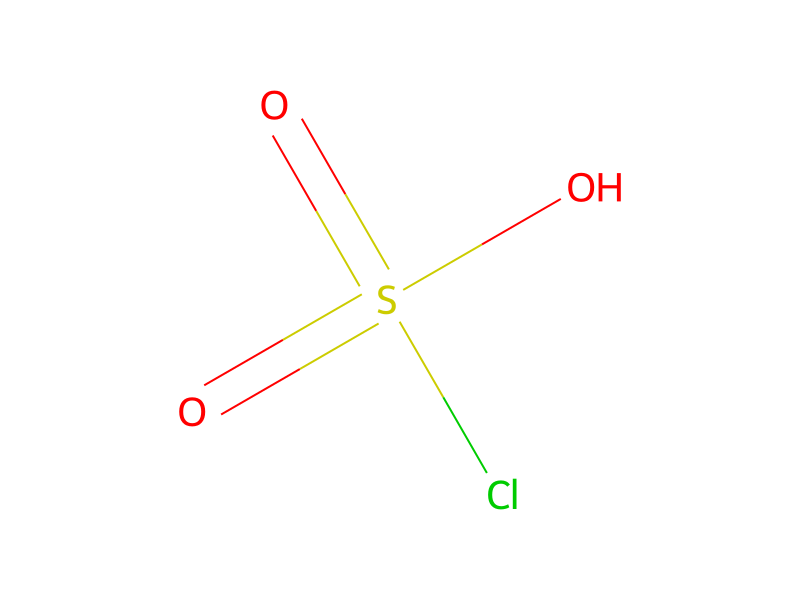


Procedure
Polybibenzyl sulfone homopolymers are prepared by heating bibenzyl-4-sulfonyl chloride in the presence of a catalytic amount of an anhydrous Lewis acid, or by using a stoichiometric mixture of bibenzyl and bibenzyl-4,4'-disulfonyl chloride is hereinafter described. The preparation of the homopolymer first necessitates the synthesis of either the mono or di sulfonyl chloride derivative of bibenzyl. Bibenzyl-4-sulfonyl chloride may be prepared by a three step procedure by treating bibenzyl in solution with approximately equi molar quantities of chlorosulfonic acid to form bibenzyl-4-sulfonic acid followed by neutralization in an aqueous medium using sodium or barium hydroxide to yield the sodium or barium salt which is in turn treated in a solvent with an acid halide such as thionyl chloride to yield bibenzyl-4-sulfonyl chloride. Another suitable technique for the preparation of the monosulfonyl chloride derivative involves the treatment of the free sulfonic acid derivative of bibenzyl in a solvent with a complex of phosgene and a tertiary organic amide.
Workup
- customThe preparation of the homopolymer
Sources & evidence
- ORD record
- ord-1271b2052a304067be681a20774ad9a4
- Source dataset
- uspto-grants-1977_05
- Patent number
- US04024119
Reaction notes
Loading…