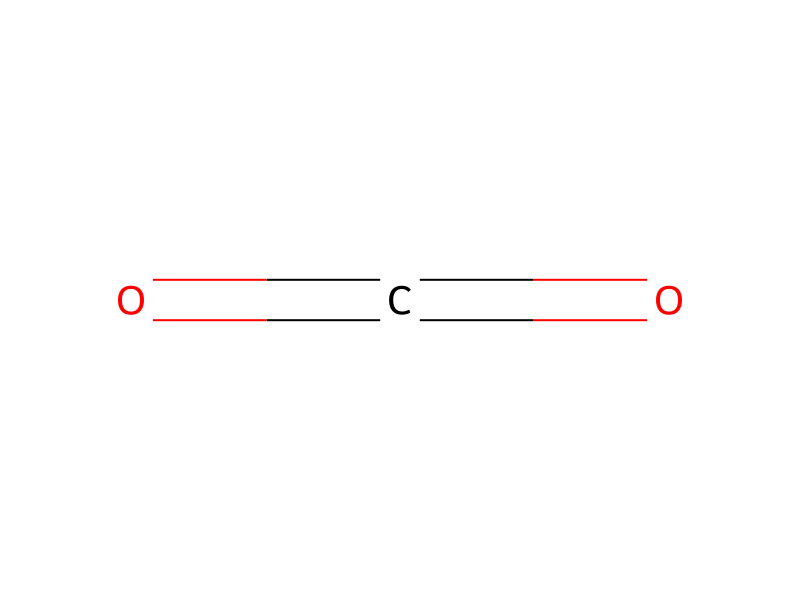
The purified benzanthrone (63.7 g, 0.277 mol) was dissolved in glacial HOAc (1.5 L) (heated to 90°) and stirred with a mechanical stirrer. After cooling to 80°, solid CrO3 (Mallinckrodt, 200 g, 2 mol) was added in 5 g portions over about 4 h. The exothermic reaction maintained the mixture at 80° during this time and CO2 was evolved. After CO2 evolution ceased and the reaction temperature fell, the heating mantle was reapplied and the reaction stirred at 75° for an additional 6 h. The reaction was cooled to RT and stirred overnight. H2O (1.5 L) was then added to the dark-green solution. The reaction was then filtered to give a deep brown solid which was washed with CH3OH (200 mL) until the washings were colorless. The resulting solid was dissolved in hot 2-methoxyethanol (2 L) and filtered through Celite® to remove a black solid residue. The volume of the solution was reduced to 75 mL (some solid formed) and diluted with CH3OH (100 mL) to give the product. This material was removed by filtration to give 32.0 g (46%) of golden brown 9,10-dihydro-9,10-dioxo-1-anthracenecarboxylic acid mp 287°-289°, (C, H), (lit. mp 293°-294°, Chemistry of Carbon Compounds IIIb, edited by E. H. Rodd, 1419 (1956), Elsevier, N.Y.).