Reaction equation

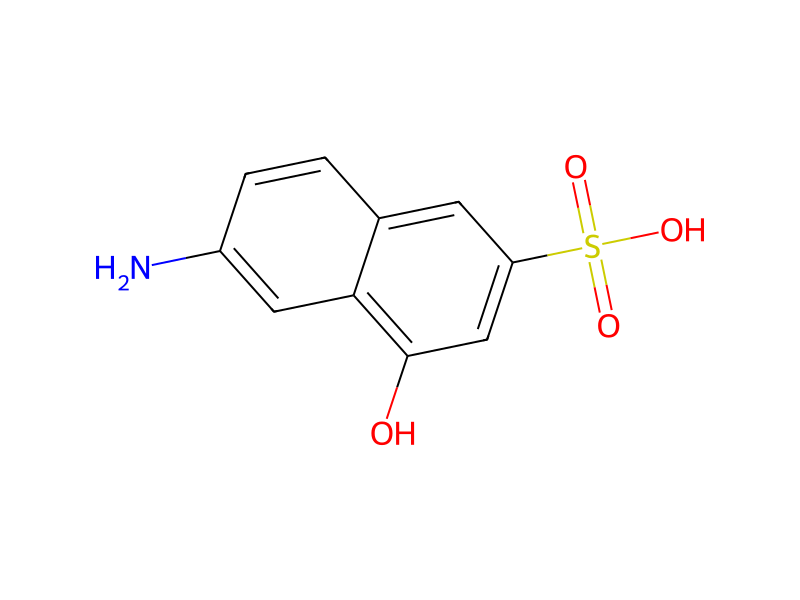
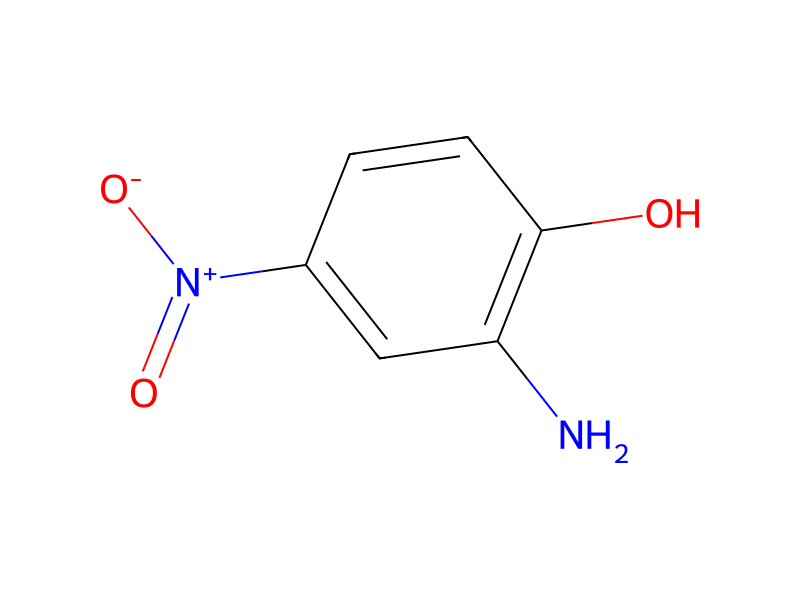
O[C:2]1[CH:7]=[CH:6][C:5]([N+:8]([O-])=O)=[CH:4][C:3]=1N.OC1C=C([N+]([O-])=O)C=CC=1N.[OH:23][C:24]1C2C(=CC=C(N)C=2)[CH:27]=[C:26]([S:35]([OH:38])(=[O:37])=[O:36])[CH:25]=1.OC1C2C(=CC(N)=CC=2)C=C(S(O)(=O)=O)C=1>>[OH:23][C:24]1[C:3]2[C:4](=[C:5]([NH2:8])[CH:6]=[CH:7][CH:2]=2)[CH:27]=[C:26]([S:35]([OH:38])(=[O:37])=[O:36])[CH:25]=1Participants
5



Procedure
On account of their easy accessibility and the neutral black shade obtainable therewith, particular interest attaches to the dyes that are derived from 1-hydroxy-2 amino-4-nitrobenzene or 1-hydroxy-2-amino-5-nitrobenzene as diazo components, and from 1-hydroxy-7-aminonaphthalene-3-sulphonic acid or 1-hydroxy-6-aminonaphthalene-3-sulphonic acid as coupling component.
Sources & evidence
- ORD record
- ord-c1c8d50aec0c424c9b93508d4f60a03c
- Source dataset
- uspto-grants-1978_08
- Patent number
- US04105400
Linked notes
Loading…