Reaction equation

Br[C:2]1[CH:7]=[C:6]([C:8]([O:12][CH3:13])([O:10][CH3:11])[CH3:9])[CH:5]=[C:4]([C:14]([F:17])([F:16])[F:15])[C:3]=1[O:18][CH3:19].C1C=CC(P(C2C(C3C(P(C4C=CC=CC=4)C4C=CC=CC=4)=CC=C4C=3C=CC=C4)=C3C(C=CC=C3)=CC=2)C2C=CC=CC=2)=CC=1.[NH:66]1[CH2:71][CH2:70][O:69][CH2:68][CH2:67]1>>[CH3:11][O:10][C:8]([C:6]1[CH:5]=[C:4]([C:14]([F:17])([F:16])[F:15])[C:3]([O:18][CH3:19])=[C:2]([N:66]2[CH2:71][CH2:70][O:69][CH2:68][CH2:67]2)[CH:7]=1)([O:12][CH3:13])[CH3:9]Participants
4

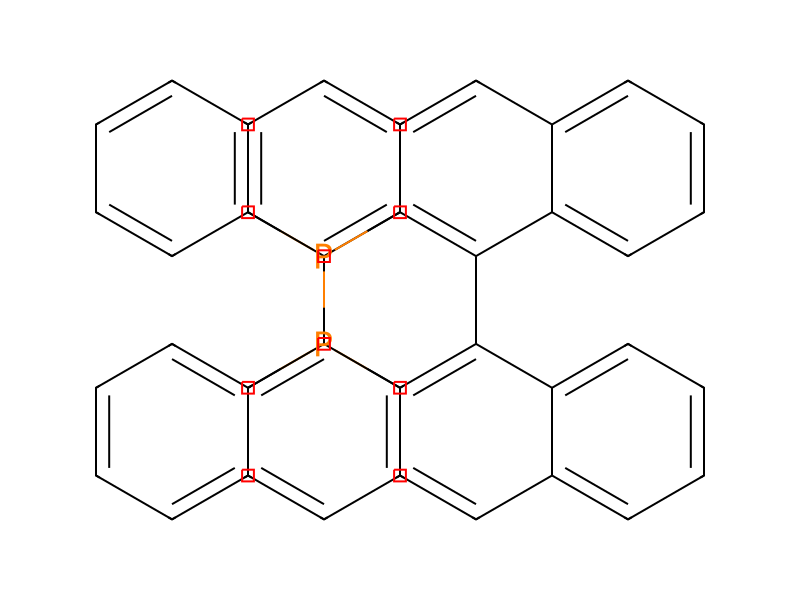


Procedure
1-Bromo-5-(1,1-dimethoxyethyl)-2-methoxy-3-trifluoromethylbenzene (2 g) was initially introduced and argon was passed through with stirring for 0.5 h. Subsequently, the mixture was treated with Pd(II) acetate (13 mg), BINAP (54 mg) and sodium tertiary-butylate (784 mg), followed by morpholine (0.6 ml). The mixture obtained was stirred under argon at 85° C. for 8 h and after standing overnight at RT it was stirred at 85° C. for a further 8 h and allowed to stand overnight. The solvent was then stripped off and the residue was purified on silica gel (n-heptane-ethyl acetate gradient). 468 mg of the desired product were obtained.
Workup
- customThe mixture obtained
- stirringwas stirred under argon at 85° C. for 8 h
- waitafter standing overnight at RT
- stirringit was stirred at 85° C. for a further 8 h
- waitto stand overnight
- customthe residue was purified on silica gel (n-heptane-ethyl acetate gradient)
Sources & evidence
- ORD record
- ord-60483acf475248b1b8834088ccafcae2
- Source dataset
- uspto-grants-2011_01
- Patent number
- US07863269B2
Linked notes
Loading…