Reaction equation

[NH2:1][C:2]1[CH:3]=[C:4]2[C:8](=[CH:9][CH:10]=1)[NH:7][N:6]=[C:5]2[I:11].[F:12][C:13]1[CH:14]=[C:15]([S:19](Cl)(=[O:21])=[O:20])[CH:16]=[CH:17][CH:18]=1>N1C=CC=CC=1>[F:12][C:13]1[CH:14]=[C:15]([S:19]([NH:1][C:2]2[CH:3]=[C:4]3[C:8](=[CH:9][CH:10]=2)[NH:7][N:6]=[C:5]3[I:11])(=[O:21])=[O:20])[CH:16]=[CH:17][CH:18]=1Participants
4
Reactant 2
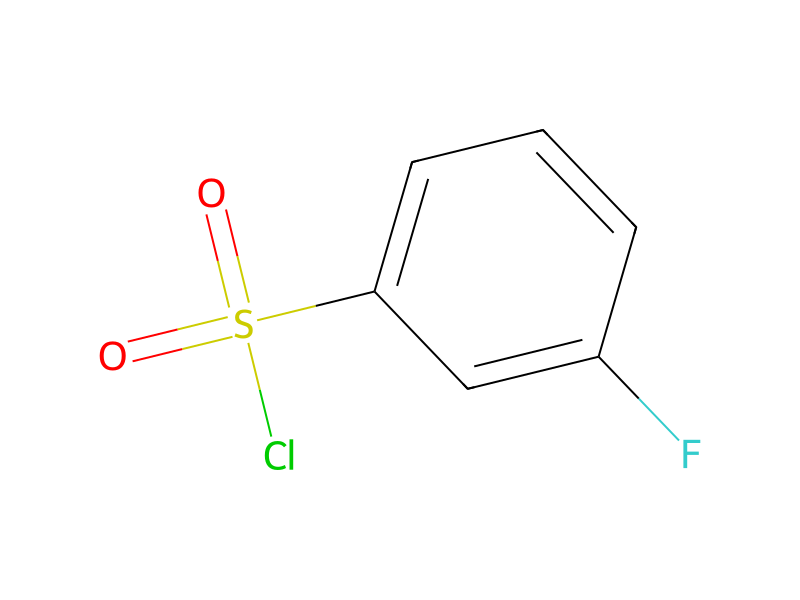

Product 1

Reagents, catalysts & solvents 1

Procedure
3-Fluoro-N-(3-iodo-1H-indazol-5-yl)benzenesulfonamide can be obtained as described in Example 2 from 230 mg of 5-amino-3-iodo-1H-indazole, 5 ml of pyridine and 173 mg of 3-fluorobenzenesulfonyl chloride. 40 mg of 3-fluoro-N-(3-iodo-1H-indazol-5-yl)benzenesulfonamide are thus obtained in the form of a cream solid melting at 189° C.
Sources & evidence
- ORD record
- ord-601f59a7f2504c518122b659c0f975ac
- Source dataset
- uspto-grants-2005_02
- Patent number
- US06858638B2
Linked notes
Loading…