Ethylene Glycol → HCID 20294078, compound
Reaction equation

C[C:2]1[C:7](C)=[CH:6][C:5]([CH2:9]C#N)=[C:4]([CH2:12]C#N)[CH:3]=1.[OH2:15].[CH:16]([CH:18]=[O:19])=O.[CH:20]([CH:22]=[O:23])=O.[OH-:24].[K+].[CH2:26](O)[CH2:27]O>CO>[CH3:9][C:5]1[CH:6]=[C:7]2[C:2](=[CH:3][C:4]=1[CH3:12])[C:20]([C:22]([OH:23])=[O:15])=[CH:27][CH:26]=[C:16]2[C:18]([OH:19])=[O:24]Participants

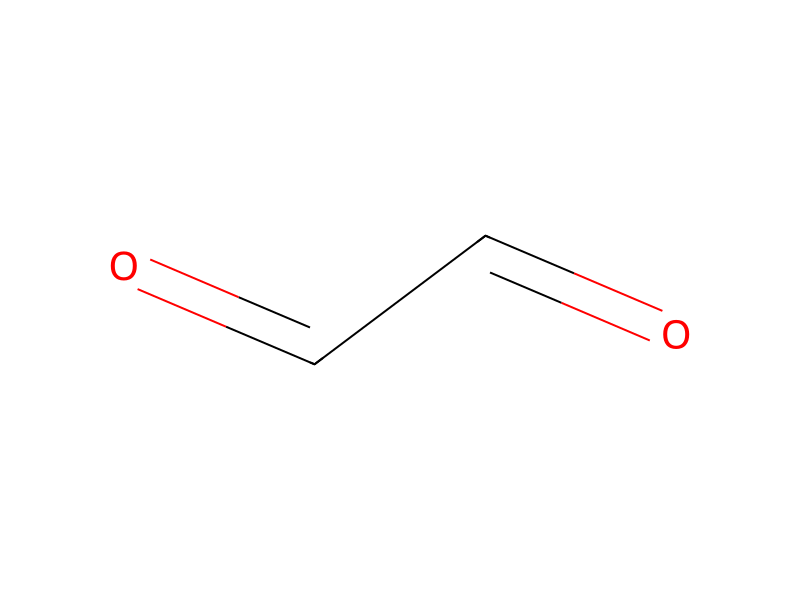




Procedure
18.4 parts of 4,5-dimethyl-1,2-bis-cyanomethyl-benzene and 8.4 parts of glyoxal hydrate (trimer) (3C2H2O2.2H2O), containing 80% of glyoxal to be liberated, are stirred in 100 parts by volume of methanol. With stirring and under nitrogen, 11.2 parts of powdered potassium hydroxide are added to the reaction mixture by small amounts at 0° to 5° C. After the addition of potassium hydroxide, stirring is continued for 5 hours at 0° to 5° C. under nitrogen. The slightly brown coloured reaction mixture is subsequently diluted with 100 parts by volume of ethylene glycol and then, after addition of 28 parts of potassium hydroxide, heated slowly to 190° C. under nitrogen while the methanol is distilled off and ammonia escapes at 80° C. After it has been stirred for 5 hours at 185° to 190° C. under nitrogen, the reaction mixture is worked up as described in Example 7 to yield 7.5 parts of 6,7-dimethyl-naphthalene-1,4-dicarboxylic acid (31% of theory) of formula ##STR52## in the form of slightly brown crystalline powder with a melting point of 268°-280° C.
Workup
- stirringstirring
- distillationis distilled off
- customat 80° C
- stirringAfter it has been stirred for 5 hours at 185° to 190° C. under nitrogen
Sources & evidence
- ORD record
- ord-30065f9e5db74ae8a3ea7f20249c7df4
- Source dataset
- uspto-grants-1979_05
- Patent number
- US04154754
Reaction notes
Loading…