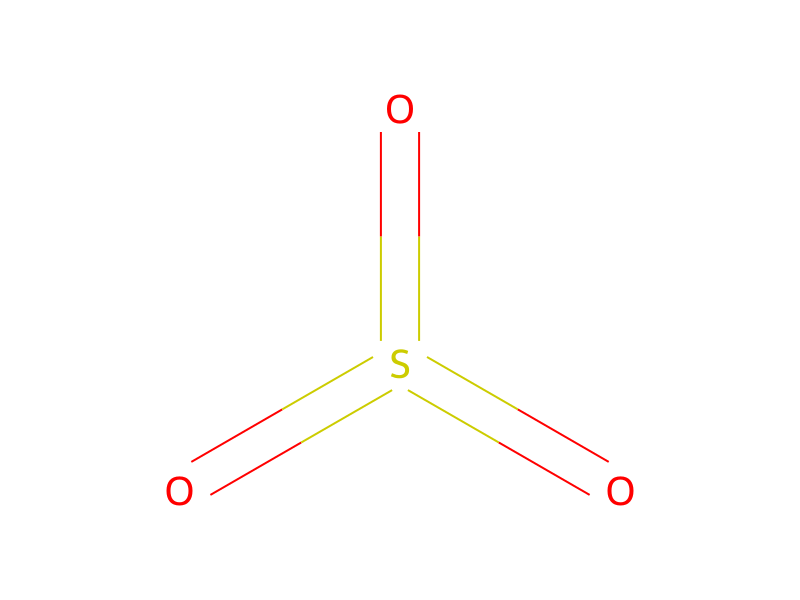
In the same apparatus as in Example 1, 20 g of 1,4-naphthoquinone was stirred into 70 g of a mixed acid consisting of 70 percent by weight of sulfuric acid, 20 percent by weight of nitric acid and 10 percent by weight of sulfur trioxide, with cooling at 0° to 5°C. The reaction mixture was heated to 15°C over 30 minutes and then maintained at the temperature for 3 hours. The liquid reaction mixture was then stirred in 2 minutes into 400 ml of water at 20°C to precipitate crystals. During the precipitation, the liquid temperature reached the highest value of 68°C. The crystals were well dispersed during stirring. After completion of addition of the reaction mixture, the liquid temperature was quickly lowered by cooling to 35°C. The so precipitated crystals were separated, washed with water and dried in the same manner as in Example 5 to obtain 22.5 g of crude 5-nitro-1,4-naphthoquinone of a melting point of 153°C. The amount of acidic matter remaining in the crystals was 0.3 percent by weight in terms of sulfuric acid.