Reaction equation

[C:1]([C:3]1[CH:8]=[CH:7][C:6]([N:9]=[C:10]2[S:14][CH2:13][C:12]3([CH2:18][CH2:17][CH2:16][CH2:15]3)[NH:11]2)=[CH:5][CH:4]=1)#[N:2].[CH2:19](Br)[CH:20]([CH3:22])[CH3:21]>>[CH2:19]([N:11]1[C:12]2([CH2:15][CH2:16][CH2:17][CH2:18]2)[CH2:13][S:14][C:10]1=[N:9][C:6]1[CH:5]=[CH:4][C:3]([C:1]#[N:2])=[CH:8][CH:7]=1)[CH:20]([CH3:22])[CH3:21]Participants
3


Procedure
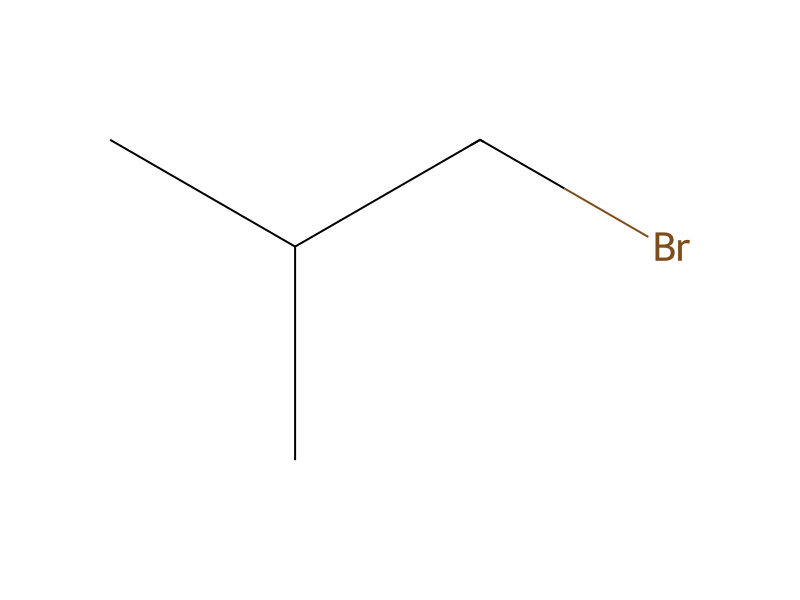
1-Amino-1-(hydroxymethyl)cyclopentane was synthesized as described in Method B1c. The 2-hydroxyethylamine was reacted with SOCl2 according to Method B7e to give 1-amino-1-(chloromethyl)cyclopentane HCl salt. The 2-chloroethylamine was reacted with 4-cyanophenyl isothiocyanate according to Method C1a to give 2-(4-cyanophenylimino)-3-thia-1-azaspiro[4.4]nonane. The thiazolidine was reacted with isobutyl bromide according to Method D2a to afford 1-isobutyl-2-(4-cyanophenylimino)-3-thia-1-azaspiro[4.4]nonane.
Sources & evidence
- ORD record
- ord-1f272ec2604c411eb843d11861894a38
- Source dataset
- uspto-grants-2002_03
- Patent number
- US06353006B1
Linked notes
Loading…