Reaction equation

[Cl:1]C1C(C)=C(C=CC=1)N.C(NC1C=CC=CC=1)=O.OCCN.[CH2:23]1[C:27]2([NH:35][C:30]3([CH2:34][CH2:33][CH2:32][CH2:31]3)[CH2:29][O:28]2)[CH2:26][CH2:25][CH2:24]1.O1CCNC1>>[ClH:1].[OH:28][CH2:29][C:30]1([NH2:35])[CH2:34][CH2:33][CH2:32][CH2:31]1.[CH:27]1([NH:35][C:30]2([CH2:29][OH:28])[CH2:34][CH2:33][CH2:32][CH2:31]2)[CH2:23][CH2:24][CH2:25][CH2:26]1Participants




Procedure
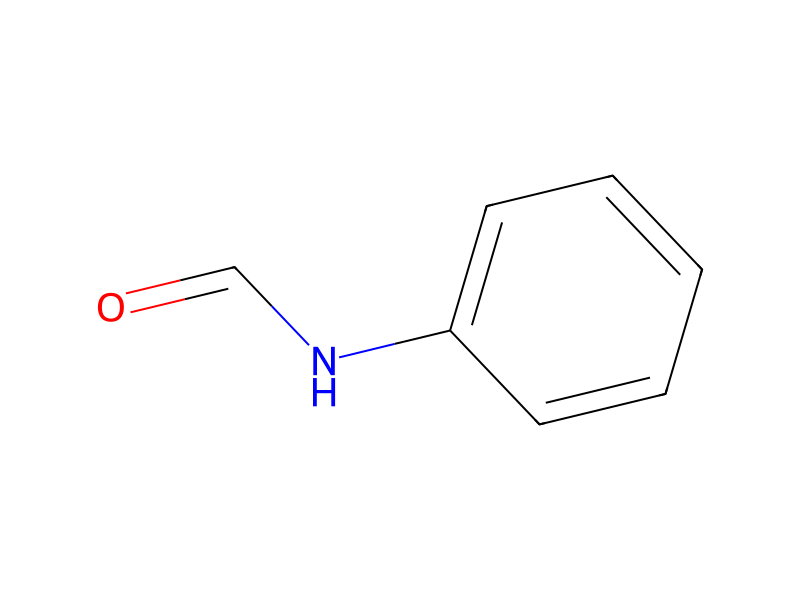
3-Chloro-2-methylaniline was converted to the 3-chloro-2-methylformanilide according to Method A3a, Step 1. The formanilide was converted to 3-chloro-2-methylphenyl isocyanide dichloride according to Method A3a, Step 2. 1-Hydroxymethylcyclopentanamine HCl salt was synthesized according to Method B1c. The 2-hydroxyethylamine was converted to 13-aza-6-oxadispiro[4.2.4. 1]tridecane according to Method B4d, Step 1. The oxazolidine was reductively opened according to Method B4d, Step 2 to give 1-(cyclopentylamino)-1-(hydroxymethyl)cyclopentane. The substituted 2-hydroxyethylamine was converted to 1-(cyclopentylamino)-1-(thioacetylmethyl)cyclopentane according to Method C6c, Step 1. The thioacetate was hydrolyzed according to Method C6c, Step 2 to give 1-(cyclopentylamino)-1-(thiomethyl)cyclopentane. The 2-thioethylamine was reacted with 3-chloro-2-methylphenyl isocyanide dichloride according to Method C6c to afford 2-(3-chloro-2-methylphenylimino)-1-cyclopentyl-3-thia-1-azaspiro[4.4]nonane.
Sources & evidence
- ORD record
- ord-0228c29b52a64fada7ab78eb86f55c68
- Source dataset
- uspto-grants-2002_03
- Patent number
- US06353006B1
Linked notes
Loading…