Reaction equation

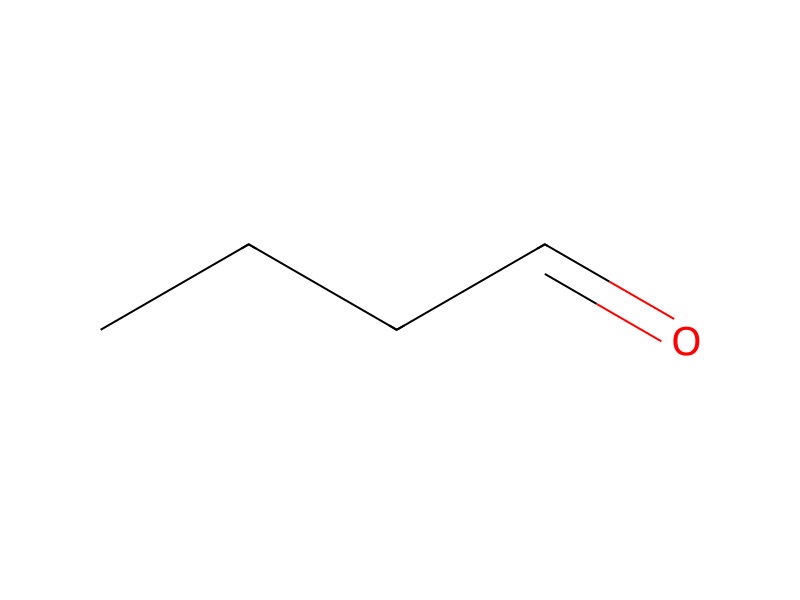
[ClH:1].Cl.[CH3:3][O:4][C:5]1[CH:10]=[CH:9][C:8]([N:11]2[CH2:16][CH2:15][NH:14][CH2:13][CH2:12]2)=[CH:7][CH:6]=1.[CH:17](=O)[CH2:18][CH2:19][CH3:20].C([O-])(=O)C.[Na+].[H][H]>[Pd].CO>[ClH:1].[ClH:1].[CH2:17]([N:14]1[CH2:15][CH2:16][N:11]([C:8]2[CH:7]=[CH:6][C:5]([O:4][CH3:3])=[CH:10][CH:9]=2)[CH2:12][CH2:13]1)[CH2:18][CH2:19][CH3:20]Participants
Reactant 4



Product 1

Reagents, catalysts & solvents 2


Procedure
A mixture of 13.2 parts of 1-(4-methoxyphenyl)piperazine dihydrochloride, 5.1 parts of 1-butanal, 9 parts of sodium acetate and 80 parts of methanol is hydrogenated at normal pressure and at room temperature with 1 part of palladium-on-charcoal catalyst. After the calculated amount of hydrogen is taken up, the catalyst is filtered off and the filtrate is evaporated. Water is added to the residue and the product is precipitated. It is filtered off, washed with water and converted into the hydrochloride salt in ethanol and 2-propanol. Under the addition of 2,2'-oxybispropane, the salt is precipitated. It is filtered off and crystallized from a mixture of ethanol and 2,2'-oxybispropane, yielding 13.1 parts (81%) of 1-butyl-4-(4-methoxyphenyl)piperazine dihydrochloride; mp. 214.2° C.
Workup
- filtrationthe catalyst is filtered off
- customthe filtrate is evaporated
- additionWater is added to the residue
- customthe product is precipitated
- filtrationIt is filtered off
- washwashed with water
- additionUnder the addition of 2,2'-oxybispropane
- customthe salt is precipitated
- filtrationIt is filtered off
- customcrystallized from a mixture of ethanol and 2,2'-oxybispropane
Sources & evidence
- ORD record
- ord-75c12c2f42ce4758abaa9a2e21396e09
- Source dataset
- uspto-grants-1980_09
- Patent number
- US04223036
Linked notes
Loading…