Reaction equation

[CH:1]1([NH:4][C:5]([C:7]2[CH:8]=[C:9]([C:14]3[CH:19]=[CH:18][C:17]([C:20]([NH:22][NH2:23])=[O:21])=[CH:16][CH:15]=3)[C:10]([CH3:13])=[CH:11][CH:12]=2)=[O:6])[CH2:3][CH2:2]1.[CH2:24](OC(OCC)OCC)C>>[CH:1]1([NH:4][C:5]([C:7]2[CH:8]=[C:9]([C:14]3[CH:19]=[CH:18][C:17]([C:20]4[O:21][CH:24]=[N:23][N:22]=4)=[CH:16][CH:15]=3)[C:10]([CH3:13])=[CH:11][CH:12]=2)=[O:6])[CH2:3][CH2:2]1Participants
3
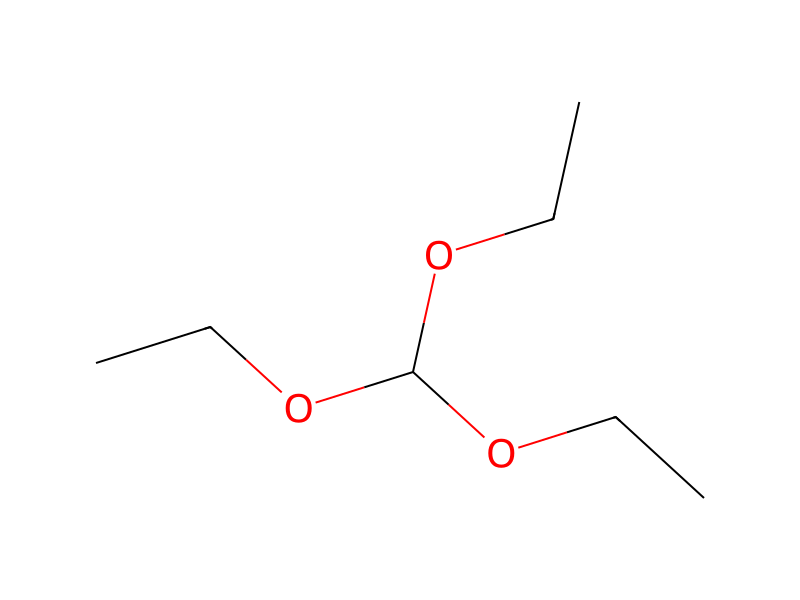


Procedure
N-Cyclopropyl-4′-(hydrazinocarbonyl)-6-methyl-1,1′-biphenyl-3-carboxamide (Intermediate 40) (50 mg) in triethylorthoformate (5 ml) was heated at 150° C. for 5 hours. The excess triethylorthoformate was evaporated under vacuum and the residue purified by bond-elut (silica), eluting with an ethyl acetate/cyclohexane gradient. The solvent was evaporated from the product fractions under vacuum to give N-cyclopropyl-4′-(1,3,4-oxadiazol-2-yl)-6-methyl-1,1′-biphenyl-3-carboxamide.
Workup
- customThe excess triethylorthoformate was evaporated under vacuum
- customthe residue purified by bond-elut (silica)
- washeluting with an ethyl acetate/cyclohexane gradient
- customThe solvent was evaporated from the product fractions under vacuum
Sources & evidence
- ORD record
- ord-22413f3ed106492bafad0f52a5d77a7c
- Source dataset
- uspto-grants-2008_09
- Patent number
- US07425555B2
Linked notes
Loading…